

A series of deeply researched essays exploring Vienna and the wider Habsburg world through places, people, art, memory, and everyday life.
The History of Sommerfrische: How Vienna Learned to Leave the City for Summer
From imperial hunting grounds and seasonal households to artists, railways, public baths, exclusion, and the modern holiday
Sommerfrische was the seasonal relocation of urban household life to the countryside for weeks or months during summer. In its classic Viennese form, families established temporary households in nearby villages, spa towns, mountain resorts, lake regions, rented rooms, pensions, hotels, and villas. It was more than a holiday: Sommerfrische reorganized family life, work, social status, cultural production, and travel, while access remained shaped by wealth, gender, labor, and belonging.
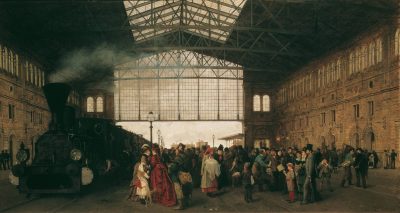
What Was Sommerfrische in Vienna?
Sommerfrische began before anyone reached the lake or mountain.
It began in Vienna, with rooms being closed, clothing gathered, children prepared, and household arrangements divided between two places. A family might move only to one of the villages beyond the dense city, rent rooms in Lower Austria, settle into a pension beside a lake, or occupy a private villa beneath the mountains. Women and children might remain away for several weeks while fathers continued working in Vienna. Servants, luggage, correspondence, food, visitors, and railway timetables kept the two places connected.
The familiar image is more picturesque. It is built from verandas, villas, lake water, cool mountain air, shaded gardens, and leisurely afternoons. But Sommerfrische was not simply another name for a vacation.
It was a seasonal reorganization of ordinary life.
Households, work, possessions, social relationships, and cultural activity moved temporarily into rented rooms, pensions, hotels, villas, and rural communities. Railways widened the geography of this movement. Artists and architects helped teach visitors how to imagine and inhabit the landscapes they entered. Local families rented rooms and supplied food. Hotel workers, railway employees, servants, cooks, porters, and shopkeepers sustained the summer world.
The inequalities of the city traveled too.
Class determined who could leave, where they could stay, and how long they could remain. Gender shaped who carried the domestic responsibilities of the summer household. The lack of protected time excluded most workers even when a modest room or train ticket might have been affordable. Jewish families helped finance, build, inhabit, and animate Austria’s summer landscapes, yet economic success and cultural contribution did not guarantee that they would be permitted to belong.
Sommerfrische therefore reveals more than how Viennese families once spent the warmest months. It reveals how they understood health, landscape, family, labor, social standing, creativity, and the proper shape of a meaningful summer.
It also reveals how the modern holiday emerged.
Paid leave, municipal bathing, bicycles, motorcycles, scooters, cars, hotels, and mass tourism gradually transformed the long seasonal residence into new forms of summer mobility. Yet the older promise remained recognizable: that changing place and rhythm might change the experience of daily life.
The history of Sommerfrische is therefore also the history of what Vienna hoped to discover by leaving itself.

Before the nineteenth century
1. Courtly seasonal residence
Courts and aristocratic households moved among palaces, estates, hunting grounds, and garden residences.

Eighteenth &early nineteenth centuries
2. Kur, excursion, & rural retreat
Health stays, spa routines, country outings, and longer rural visits began to overlap.

Mid-nineteenth century
3. Railway expansion
Rail connections reorganized Vienna’s relationship with Alpine landscapes, spa towns, and lake regions.
Late nineteenth century
4. Bourgeois Sommerfrische
Urban families moved ordinary household life into pensions, rented rooms, hotels, and villas.

Early twentieth century onward
5. Broader access
Paid leave, public bathing, motorcycles, scooters, and cars widened participation and changed summer mobility.

Twentieth century to the present
6. Afterlives
Former Sommerfrische places became hotels, institutions, second homes, memorial landscapes, and modern resorts.
In This Article
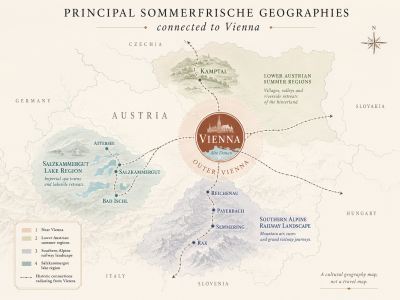
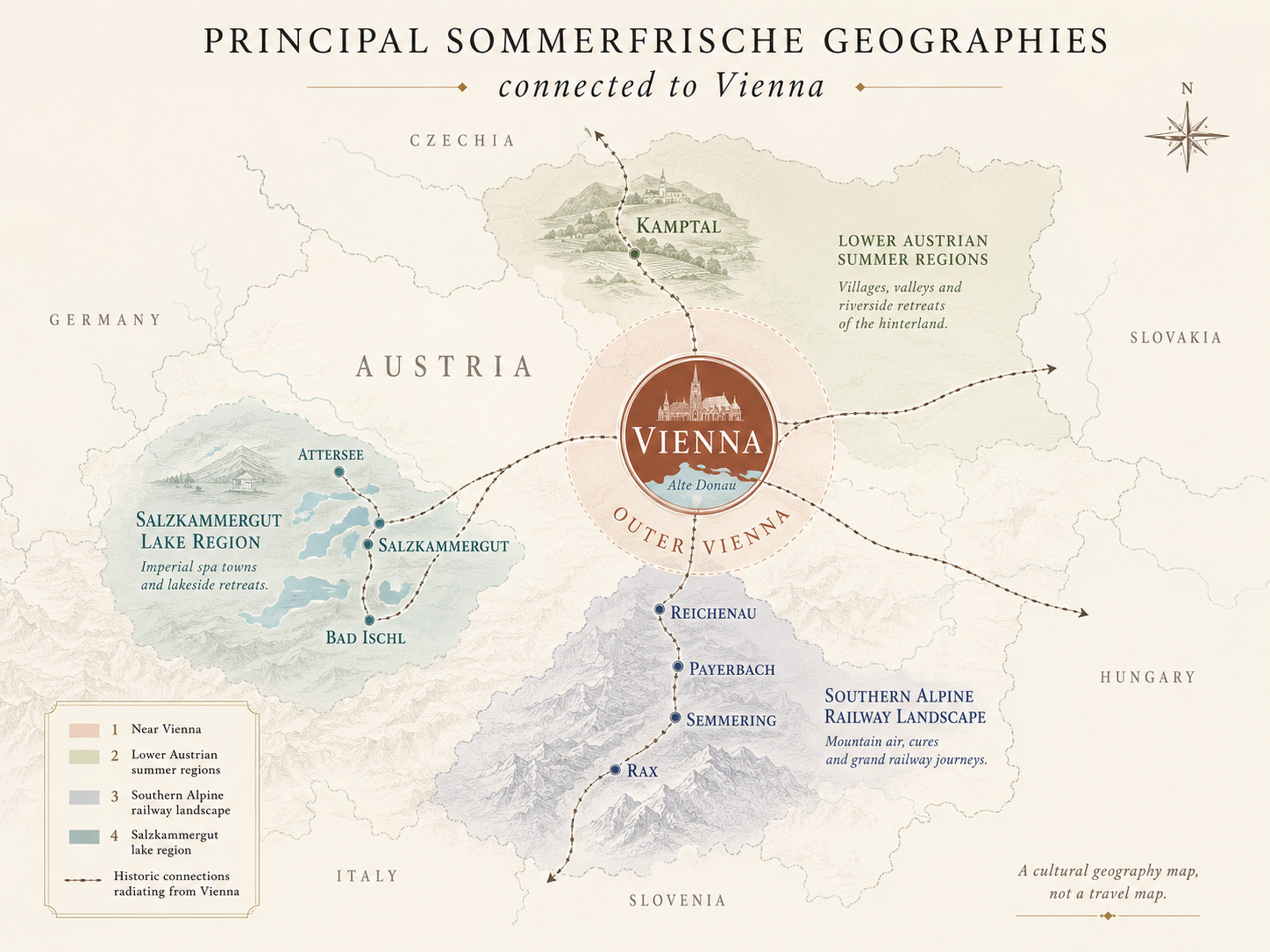
the Kamptal, the southern railway landscape of Reichenau, Payerbach, Semmering and the Rax, and the lake and spa regions around Bad Ischl, the Salzkammergut and the Attersee.
1. Before Sommerfrische: Courtly and Aristocratic Summer Residences
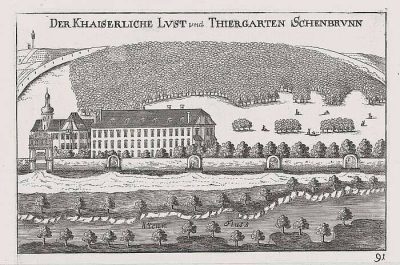
Before the word Sommerfrische became common, Vienna’s rulers and aristocratic families already moved among Sommerpalais, summer palaces; Gartenpalais, suburban garden palaces; Jagdschlösser, hunting lodges or hunting palaces; and rural Sommersitze, seasonal residences.
These earlier practices were not yet the bourgeois Sommerfrische of the nineteenth century.
They belonged to a courtly and aristocratic world of hunting, estate administration, political access, ceremonial display, cultivated gardens, music, theater, collecting, and controlled sociability. A seasonal residence was not merely a place where powerful people stopped working. It was a place to which work, household, hierarchy, and representation moved.
The Habsburg court did not live permanently within the Hofburg. Political, ceremonial, and domestic life shifted among several residences. Schönbrunn and Laxenburg became especially important, but their early histories were closely connected to hunting and the management of land.
In 1569, Emperor Maximilian II acquired the Katterburg estate, the site that would later become Schönbrunn. He developed the property as a game preserve and pleasure landscape where the court could hunt, keep animals, and spend time beyond the dense urban center. Later rulers continued to use the grounds for hunting. A hunting lodge preceded the great palace transformed under Maria Theresa into an extensive summer residence.1
The history of Schönbrunn therefore contains several different relationships with the landscape.
It was a place of game and hunting, but also of gardens, water, architecture, dynastic display, political access, domestic residence, scientific curiosity, and entertainment. Maria Theresa’s Schönbrunn was not a simple country retreat. It was a seasonal center of imperial family life and government.
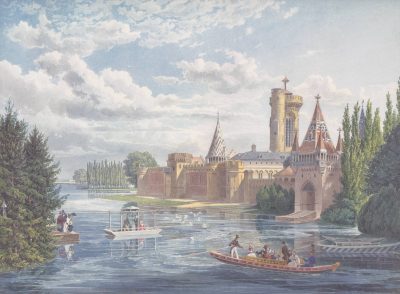
Laxenburg developed through a related but distinct pattern. Its castle complex and extensive grounds served seasonal court residence, hunting, falconry, outdoor ceremony, family occasions, and entertainment. The countryside was not principally imagined as untouched nature. For the court, it was a dynastic resource that could be hunted, cultivated, arranged, displayed, studied, and governed.
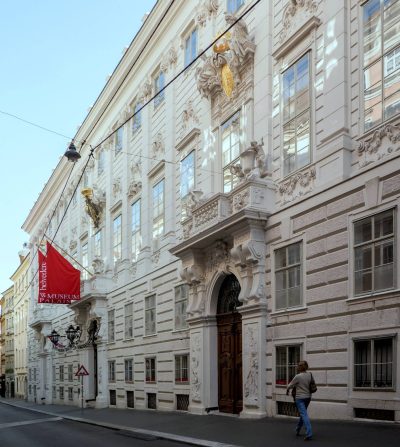
Aristocratic families developed comparable geographies.
Prince Eugene of Savoy offers one of the clearest examples. His Winter Palace stood within central Vienna. The Belvedere, constructed outside the old city walls, functioned as a grand summer residence and setting for gardens, collections, hospitality, and representation. Schloss Hof in the Marchfeld became a rural estate and hunting manor. Nearby Niederweiden offered a more intimate hunting environment.
Seasonal residence therefore did not mean withdrawing to one isolated house. It could involve a network of properties at different distances from the city, each serving a different combination of privacy, ceremony, pleasure, hunting, hospitality, and political visibility
Prince Eugene’s Winter Palace, the Belvedere and Schloss Hof formed three connected parts of a geography of residence: an urban palace for political and administrative life, a garden residence near Vienna, and a country estate shaped by landscape, hospitality and seasonal movement.
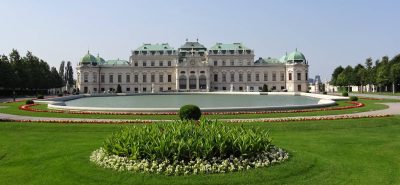
The Belvedere was not a small summer cottage. Its gardens, ceremonial rooms, views, collections, and menagerie projected the status and cultivated identity of its owner. Large staffs of gardeners, stable workers, servants, artisans, and estate employees were required to maintain this world.
The Esterházy residence at Eszterháza reveals another dimension.
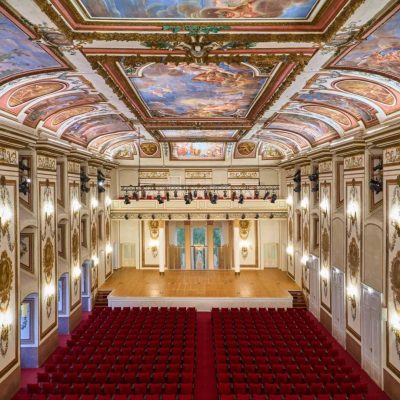
Prince Nikolaus Esterházy developed the palace as a magnificent Lustschloss, a pleasure palace, with gardens, ceremonial rooms, an opera house, and a marionette theater. The princely household did not merely occupy the building. It created a cultural court around it.
Joseph Haydn’s long service there demonstrates that seasonal residence could organize creative labor as thoroughly as social pleasure. Music was commissioned, rehearsed, performed, and produced within the rhythms of aristocratic household life. The apparent retreat from the imperial capital became another center of artistic work.
Prince Eugene demonstrates the geography of elite seasonal residence. Esterházy demonstrates the cultural world that could be created inside it.
Other families maintained their own Stadtpalais, city palaces, together with Gartenpalais, country estates, hunting lodges, and summer seats. The Liechtensteins, Schwarzenbergs, Schönborns, Pálffys, Starhembergs, Batthyánys, and others participated in this broader aristocratic culture of seasonal movement.
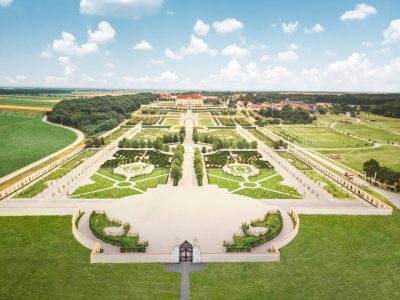
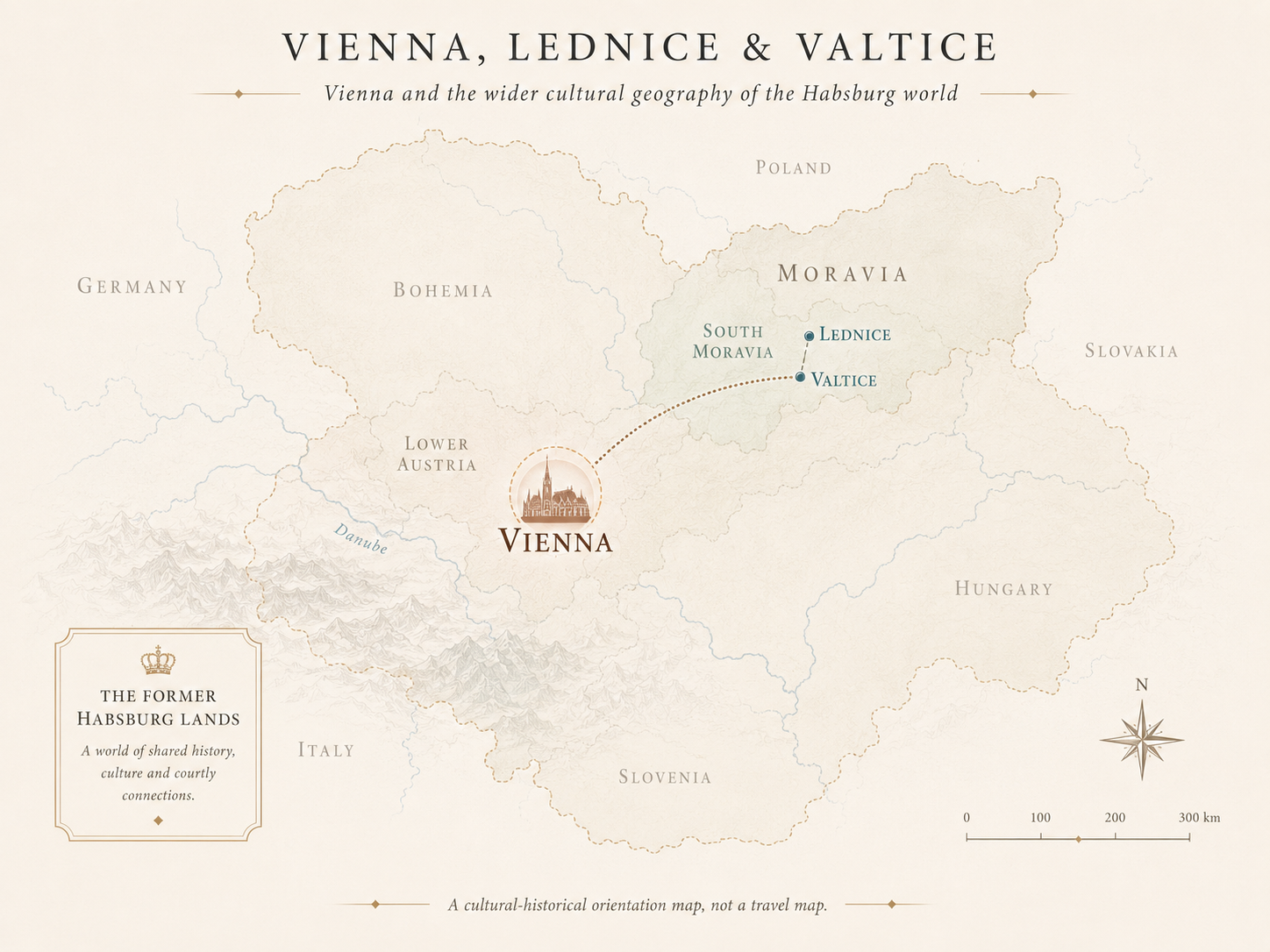
In South Moravia, the Liechtensteins joined Lednice and Valtice within an immense designed cultural landscape of castles, gardens, avenues, ponds, architecture, and countryside. Now recognized as a UNESCO World Heritage Site, the approximately 143-square-kilometer landscape is a reminder that the seasonal and territorial world of Vienna’s aristocracy extended far beyond the borders of present-day Austria.2
Yet this was not Sommerfrische in the later sense.
Court and aristocracy made seasonal relocation culturally visible as a way of reorganizing power, household life, landscape, and sociability. The nineteenth-century urban classes would adapt that seasonal logic to another social world.
Source note: UNESCO World Heritage Centre, Lednice–Valtice Cultural Landscape.
2. How Bourgeois Sommerfrische Developed in Vienna
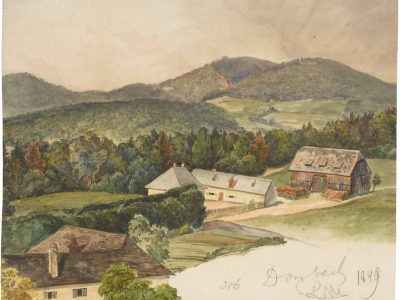
During the late eighteenth and nineteenth centuries, the Bürgertum, Vienna’s urban middle and upper-middle classes, developed its own forms of seasonal residence.
This was not simply a reduced imitation of court life.
The court moved among dynastic residences sustained by inherited property, servants, and political authority. The Bürgertum adapted seasonal relocation to rented rooms, pensions, professional work, public railway travel, private villas, and divided households.
At first, departure did not necessarily mean traveling far.
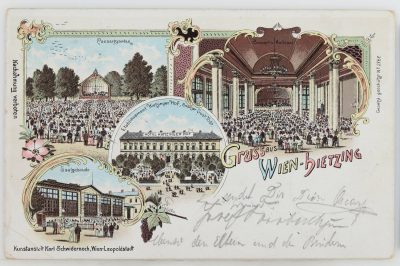
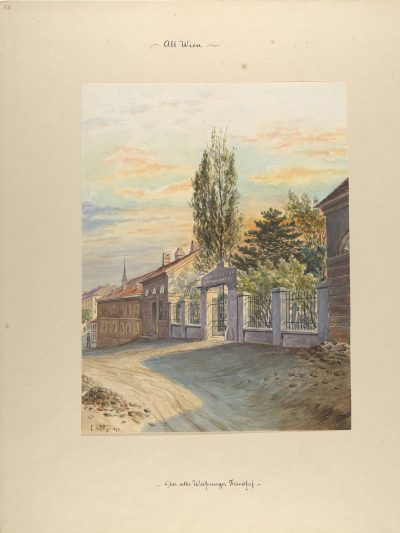
Families began spending summer periods in settlements beyond the dense inner city. Hietzing, Währing, Dornbach, Hernals, and Pötzleinsdorf are now understood as parts of Vienna, but they once offered gardens, villas, rented accommodation, and a sensory environment distinct from the city center.
“Leaving Vienna” could mean crossing beyond the walls or moving toward an outer village. The distance might be modest, but the difference could be significant.
Heat and air mattered.
Nineteenth-century Vienna could be crowded, dusty, noisy, and odorous. Medical advice, advertisements, and family correspondence frequently emphasized children’s health, cleaner air, water, elevation, and outdoor movement. A summer stay might be recommended as a response to weakness, respiratory difficulty, nervous strain, or the perceived dangers of city life.
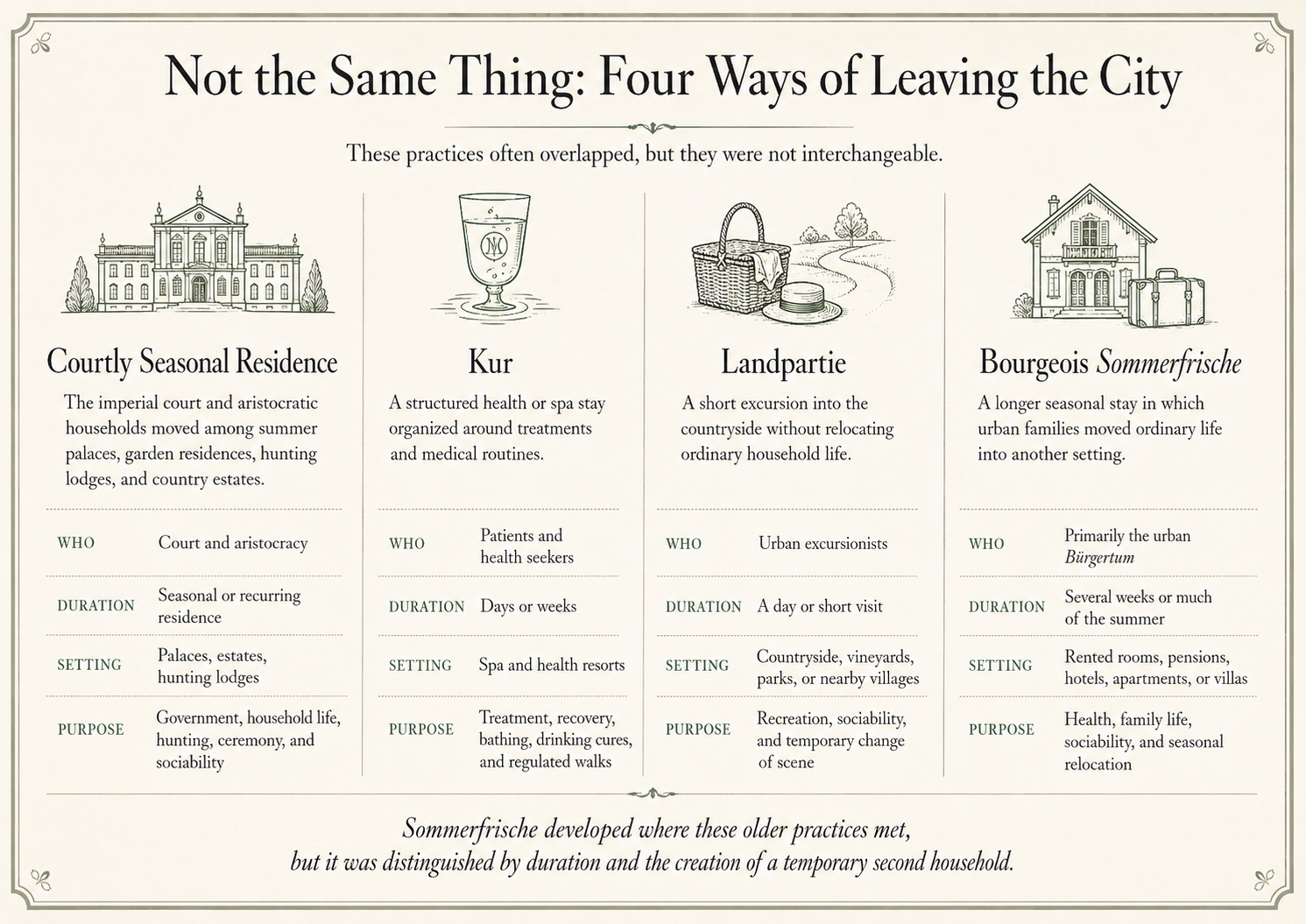
The structured medical stay, or Kur, overlapped with Sommerfrische but was not identical to it. Spa towns organized life around treatments, drinking cures, bathing, regulated walks, and professional medical guidance. Sommerfrische could contain health expectations without being governed by a formal therapeutic program.
The Landpartie, a countryside excursion, was different again. It offered a temporary change of setting without the relocation of ordinary household life.
Sommerfrische developed where these practices met: the aristocratic visibility of seasonal residence, the health culture of the spa, the pleasure of the countryside excursion, and the desire of urban families to establish a second temporary center.
Social ambition was also important.
A summer address could signal respectability, prosperity, and participation in recognized cultural habits. Particular resorts acquired status through the presence of the court, prominent families, artists, doctors, industrialists, and intellectuals. The act of Promenieren, walking socially and visibly, connected landscape appreciation with public performance.
The wealthy Großbürgertum, including leading bankers, industrialists, merchants, and professionals, could acquire or commission substantial villas. Shopkeepers, tradespeople, officials, and other less affluent households participated through rented rooms, pensions, shorter stays, or nearer destinations when money and time allowed.
The summer world was therefore socially layered.
Jewish bankers, manufacturers, merchants, doctors, lawyers, publishers, artists, and patrons were part of this expanding bourgeois Vienna. Some belonged to the same liberal urban networks visible in Ringstrasse residences, commercial institutions, cultural societies, and modern professions.
The Ringstrasse itself was an imperial urban project, not a Jewish creation. Yet Jewish financiers and industrialists became prominent among its private builders, residents, collectors, and patrons. At the highest levels of the Großbürgertum, the Ringstrasse palace and the summer villa could become two parts of the same geography of arrival.
One announced participation in modern Vienna. The other established a place within the recognized summer landscape.
Not every family owned a villa. Most did not.
Sommerfrische took place in rented rooms, pensions, hotels, summer apartments, and private houses. Its defining feature was not architectural grandeur. It was duration and the creation of another temporary household.
3. How Viennese Households Moved for the Summer
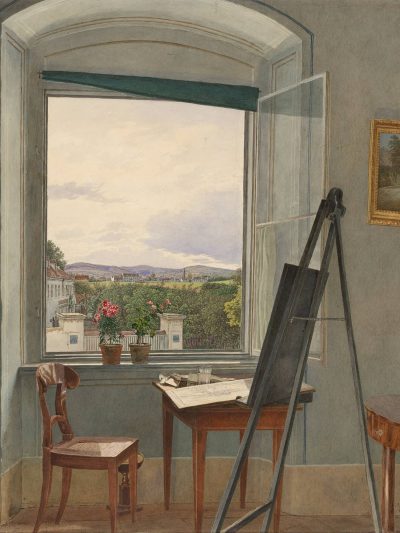
Sommerfrische did not suspend ordinary life. It moved and rearranged it.
A family taking rooms for several weeks needed far more than a small traveling bag. Clothing, linens, children’s belongings, books, writing materials, medicines, correspondence, and domestic necessities had to be gathered. In large households, servants and substantial possessions might travel with the family. In more modest arrangements, families depended upon furnished rooms, pension services, or negotiations with local hosts.
The destination became a temporary center of ordinary life.
Children still required care. Meals had to be arranged. Rooms had to be managed. Laundry, letters, visitors, and social obligations continued. The summer household was not free from responsibility merely because its windows opened onto a garden or mountain.
Women and children often remained outside Vienna for longer periods than men employed in business, administration, or the professions. For some women, the move offered genuine relief from urban heat and a greater amount of outdoor life. It could provide new friendships, more space for children, and distance from familiar routines.
But domestic responsibilities did not disappear.
A woman might enjoy the garden while still managing meals, clothing, health, correspondence, and child care. In a pension or hotel, some labor shifted to staff. In a rented room, the family might remain responsible for many daily arrangements. Wealth determined how completely leisure could be separated from work.
The family’s summer geography was often divided.
One part of the household settled into the country. Another remained tied to Vienna’s offices, shops, institutions, and professional obligations. Fathers might travel to the summer place when work allowed. The railway became part of the emotional structure of separation and reunion.
The arrangement varied by profession, income, location, and timetable. It should not be imagined as a universal pattern in which every husband arrived each weekend. Yet the recurring movement was recognizable enough to enter the language and folklore of Sommerfrische.
Domestic servants made much of this mobility possible.
In wealthy households, servants might accompany the family and continue their duties in the summer residence. Others remained in Vienna. In some cases, work was transferred to local women, pension staff, cooks, laundresses, or temporary employees.
Their relationship to summer was not the same as that of the family they served.
For the household, changing place might promise health, pleasure, or cultural enrichment. For the worker, the same move might mean additional duties, unfamiliar accommodation, separation from family, and little control over personal time.
Local households were not passive scenery.
They rented rooms, prepared food, transported luggage, cleaned, maintained buildings, supplied milk, vegetables, meat, and other provisions, and adjusted agricultural or domestic spaces to seasonal demand. Sommerfrische could create valuable income and new businesses. It could also make towns and villages increasingly dependent upon the expectations of visitors from Vienna.
Jewish families participated across this social and architectural spectrum. Some commissioned substantial houses. Others returned to the same hotel or pension. Many rented rooms. Permanent Jewish residents worked in medicine, commerce, industry, hospitality, and local services throughout the year.
The wealthiest families leave the most visible buildings and archives. More modest participation often survives only in advertisements, registers, photographs, letters, and local memory.
Sommerfrische was therefore not defined only by destination.
It was defined by the attempt to make another place ordinary.
Sommerfrische did not suspend ordinary life. It moved and rearranged it.
4. How the Railway Reorganized Sommerfrische
The railway did not invent Sommerfrische. It reorganized it.
Before regular rail travel, the time, discomfort, and cost of carriage journeys restricted how far families could move and how frequently working relatives could travel between Vienna and the summer residence.
The railway changed range, regularity, duration, and scale.
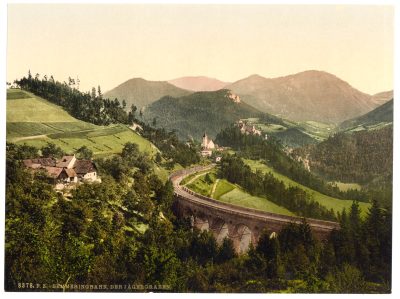
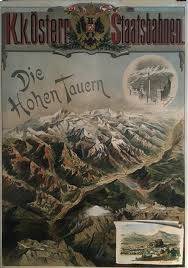
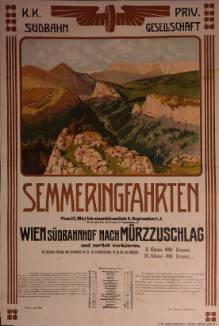
The Vienna to Gloggnitz line and the completion of the Semmering Railway created a new relationship between the capital and the Alpine landscape. Constructed between 1848 and 1854, the mountain railway used tunnels and viaducts to cross terrain that had presented an extraordinary engineering challenge.
Its significance was not merely technical.
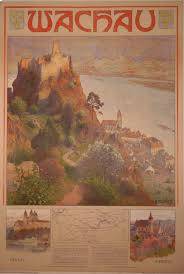
The railway produced a new cultural landscape of stations, hotels, villas, paths, viewpoints, and repeated routes. It changed which places could receive large numbers of visitors and how those visitors expected to encounter the mountains.
The landscape was organized through arrival.
Views appeared through carriage windows, between viaducts, and around curves. Stations determined where journeys paused and where hotels developed. Guidebooks and advertisements interpreted the mountains for urban visitors. Architecture taught them where to dine, walk, rest, and look.
The Semmering and Reichenau regions were not untouched refuges discovered by Vienna. They became Sommerfrische landscapes partly through railways, buildings, publicity, and repeated social use.
The timetable also reorganized the divided household.
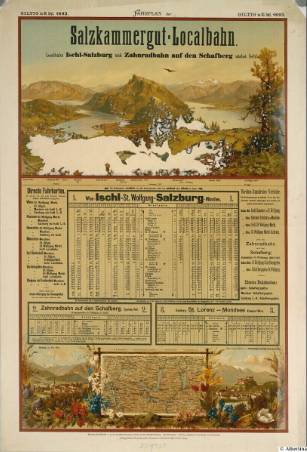
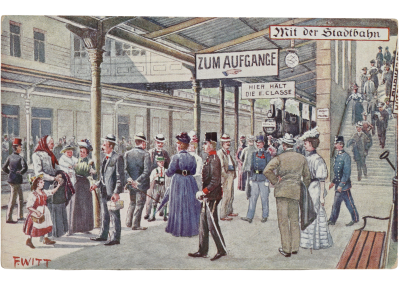
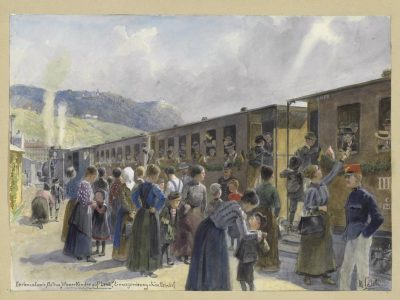
The railway did not end the family’s separation. It scheduled it.
By the early twentieth century, the affectionate term Busserlzug, literally a little-kiss train, appeared in connection with trains carrying working relatives toward summer destinations. The term became particularly associated with Lower Austrian summer regions, although it should not be treated as the official name of one single service.
Rail travel also made shorter forms of departure increasingly possible.
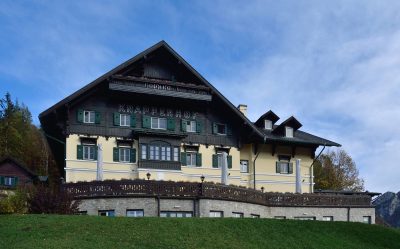
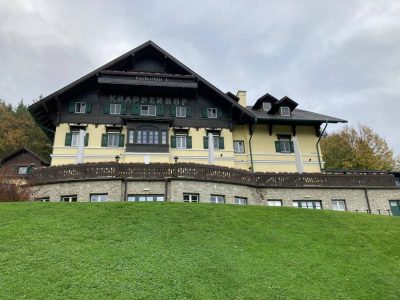
The Knappenhof, opened beneath the Rax by Camillo Kronich in 1908, represents this more compressed Alpine rhythm. Kronich, known locally as the Raxkönig, belonged to a family closely associated with mountain hospitality, photography, and access to the Rax.
The Knappenhof differed from the monumental scale of the grand Semmering hotels. It offered a more intimate relationship between cultivated hospitality and the mountain.
A visitor could travel from Vienna toward Payerbach and Reichenau, stay overnight below the Rax, and begin walking or climbing the following day. The journey no longer required the relocation of an entire household for many weeks.
Sommerfrische could also become a concentrated interruption of city life.
This did not mean that the long stay disappeared. Seasonal households, pension guests, hotel visitors, weekend walkers, and day travelers existed beside one another. The railway diversified the culture before cars and postwar tourism compressed it further.
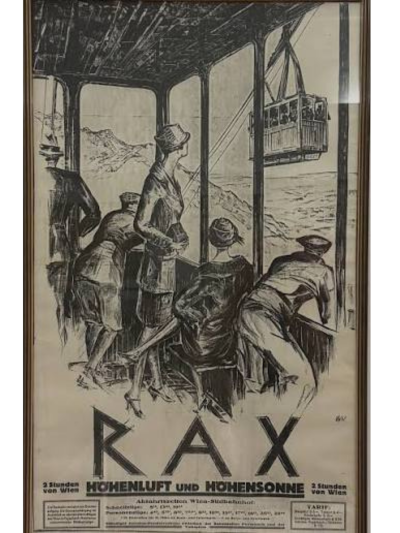
The opening of the Rax cable car in 1926 altered the bodily relationship with the mountain again. What had required a difficult ascent became accessible to a wider range of visitors. Technology repeatedly changed who could enter the landscape, how quickly, and with what expectations.
The railway therefore did more than transport people outward.
It generated a built summer world: private villas, monumental Großhotels, mountain inns, stations, paths, and later modern country houses.
The railway did not invent Sommerfrische. It reorganized it
5. The Main Sommerfrische Regions Connected to Vienna
Sommerfrische expanded Vienna beyond its administrative boundaries.
The capital remained the point of departure, the economic center, and often the place to which working members of the household returned. But its seasonal life extended outward through railway lines, villas, hotels, family habits, and repeated routes.
Different regions offered different forms of summer.
Reichenau, Payerbach, Semmering, and the Rax
The railway landscape south of Vienna allows us to see at least four distinct ways of entering the Alps.
The first was the private country residence.
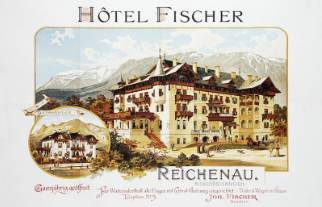
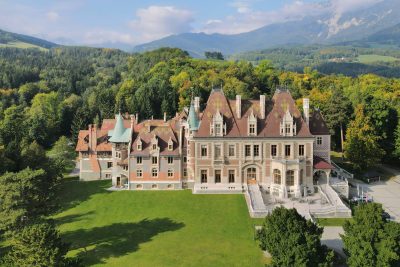
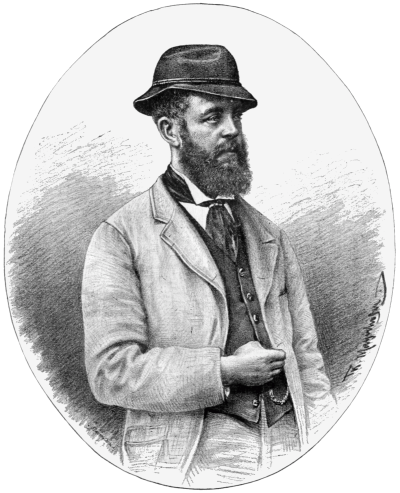
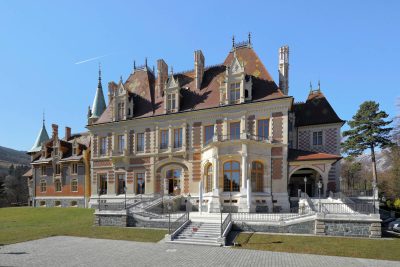
Nathaniel Rothschild spent repeated summer periods at Reichenau before commissioning a substantial residence there during the 1880s. His movement from hotel guest to builder shows how seasonal attachment could become architectural investment.
A member of one of Europe’s most powerful banking families did not merely visit the region. He inscribed his presence into it.
Schloss Rothschild connected Viennese finance, collecting, international architectural culture, and the landscape beneath the Rax. It also complicates the familiar narration of Reichenau as a world made only by court, aristocracy, and grand hotels.
The second form was the Großhotel, the monumental resort hotel.
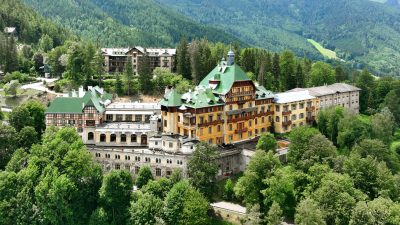
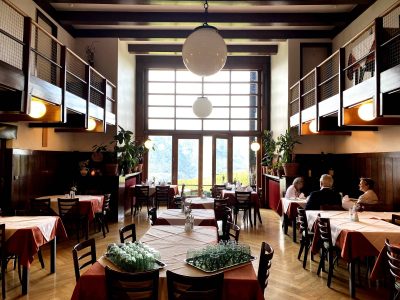
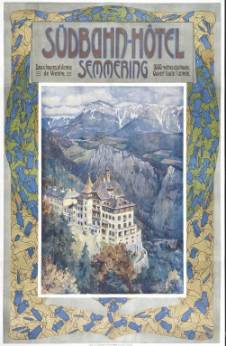
The Südbahnhotel and Panhans carried urban society into the mountains. Their dining rooms, terraces, salons, entertainment programs, and organized views allowed guests to encounter the Alps without abandoning the social rituals of the city.
The grand hotel transformed landscape into society.
The third form was the mountain hotel.
The Knappenhof offered smaller-scale hospitality with a closer connection to walking and climbing. It was not free from comfort or social distinction, but its function differed from that of the giant hotels.
It stood at a threshold. Below lay the railway route and the connection to Vienna. Above lay the Rax.
The fourth form was the modern private country house.
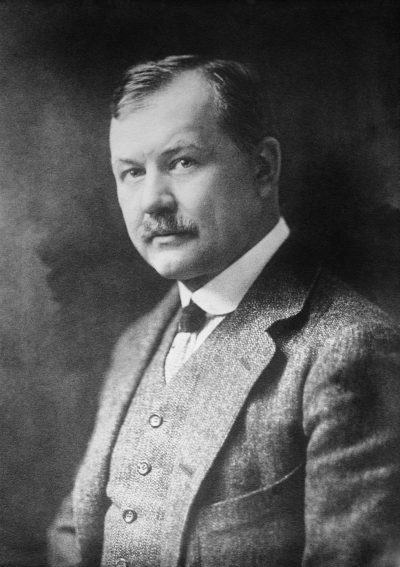
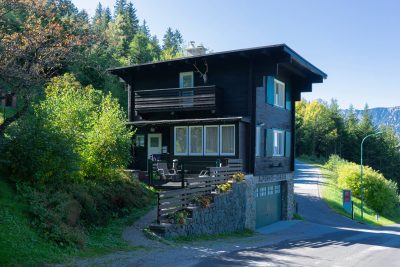
Landhaus Khuner, completed in 1930 near Payerbach for the Viennese industrialist Paul Khuner and his family, presented another interpretation of the summer residence. Adolf Loos, working with Heinrich Kulka, designed a building that used regional stone, timber, and roof forms while rejecting sentimental rustic decoration. Kulka later described himself as a collaborator on the project, an attribution that should remain visible in its history.
Its exterior appeared restrained and Alpine. Its interior organized space, privacy, sociability, and landscape through a modern architectural sequence.
In one railway region, the private villa, the Großhotel, the mountain inn, and the modern country house offered four different ways of entering the Alps.

Bad Ischl and the Salzkammergut
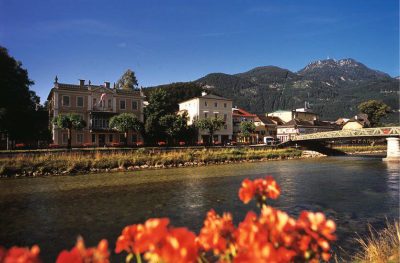
Bad Ischl became another kind of summer capital.
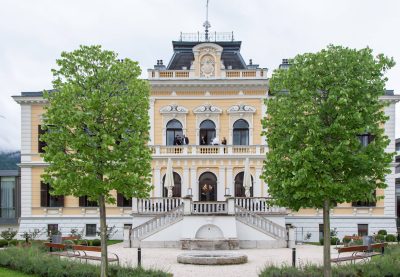
The regular presence of the imperial family gave the town political and symbolic prestige. Franz Joseph’s summer was never simply a vacation. Government followed him. Ministers, officials, military figures, and petitioners traveled toward the Kaiservilla.
The town combined spa culture, hunting, family residence, political administration, entertainment, commerce, and railway access.
The summer court remained a center of government. At the Kaiservilla in July 1914, Franz Joseph signed An Meine Völker!, the manifesto announcing war against Serbia.
The Salzkammergut’s lakes and mountains were increasingly interpreted through music, painting, literature, photography, tourism, and imperial association. Villas, hotels, cafés, theaters, bathing places, and transport routes transformed the region into a layered summer society.
Jewish visitors, permanent residents, merchants, doctors, industrialists, and artists were part of that society.
In 1923, Oskar Inwald-Waldtreu and his wife acquired Villa Seilern. The Inwald family’s history connected Jewish merchant origins, glass manufacturing across the Habsburg lands, a residence on Vienna’s Stubenring, and ownership within one of the monarchy’s most prestigious resort towns.
Their urban, industrial, and summer geographies were part of the same history.
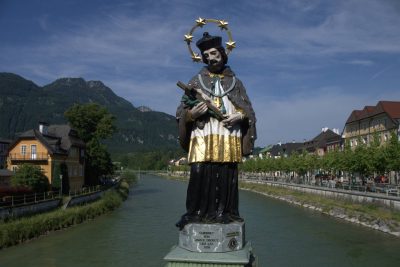
Kamptal and the Nearer Summer
Not every Sommerfrische landscape depended upon imperial prestige or monumental hotels.
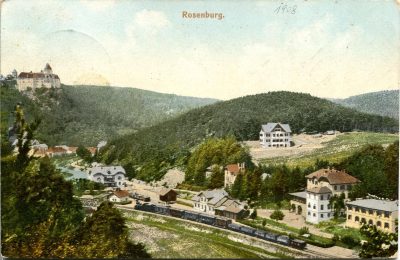
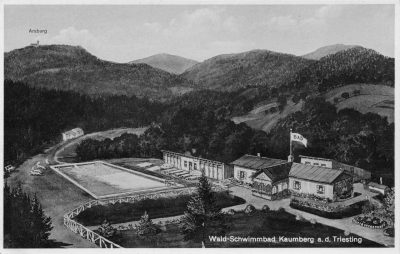
Regions such as the Kamptal and the Triestingtal offered repeated family stays, rented accommodation, railway access, and continuing contact with Vienna. The nearer destination could become deeply familiar precisely because it was not treated as a once-in-a-lifetime attraction.
Here, the emotional pattern of the Busserlzug was especially recognizable. Women and children might remain in the country while working family members traveled between the summer place and Vienna.
This form is easy to overlook beside the grandeur of Bad Ischl or Semmering.
Yet it may have been closer to the experience of many families: not architectural display, but familiarity.
Vienna’s summer geography therefore contained several scales: nearby villages, Lower Austrian valleys, Alpine railway landscapes, imperial spa towns, lakeside communities, private villas, pensions, grand hotels, and modest rented rooms.
The city’s seasonal territory extended far beyond the city itself.
6. Sommerfrische as a Cultural Workshop: Music, Art, and Architecture
Artists did not merely visit Austria’s Sommerfrische landscapes.
They helped teach later generations how to see, hear, build, and imagine them.
The aristocratic residence had already demonstrated that seasonal life could sustain professional cultural work. At Eszterháza, Haydn composed and directed music within the structures of a princely household. The palace’s theaters, musicians, ceremonial schedule, and patronage turned a seasonal residence into a cultural institution.
During the nineteenth and early twentieth centuries, creative work entered other summer settings.
The artist’s retreat is often romanticized as a place where nature effortlessly produces inspiration. The historical reality was usually more disciplined.
Mahler at Steinbach
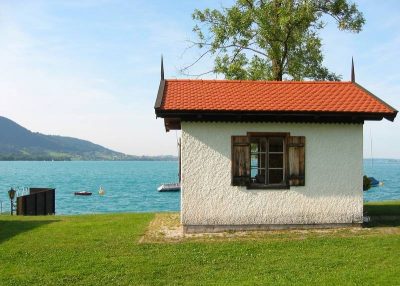
Gustav Mahler’s composing hut at Steinbach am Attersee was not simply a picturesque shelter.
It was a deliberately constructed working environment.
The hut separated composition from household activity, visitors, and social interruption. During his summers at Steinbach, Mahler worked intensively on major compositions, including the Second and Third Symphonies and songs connected with Des Knaben Wunderhorn.
When his younger colleague Bruno Walter arrived and began admiring the surrounding landscape, Mahler reportedly interrupted him: “Sie brauchen gar nicht mehr hinzusehen, das habe ich alles schon wegkomponiert.” You need not look anymore; I have already composed it all away.
The strange force of wegkomponiert matters. Mahler was not simply saying that the scenery had inspired him. He was claiming that it had already been absorbed, reorganized, and transformed within the music.
The landscape mattered, but so did the schedule, the isolation, the room, the desk, and the decision to protect concentration.
The composing hut did not remove work from summer. It made concentrated work one of summer’s principal structures.
Klimt and Flöge at the Attersee
Emilie Flöge should not enter the story merely as Gustav Klimt’s companion.
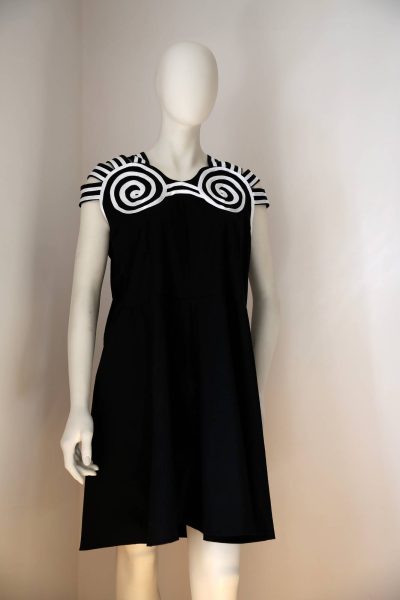
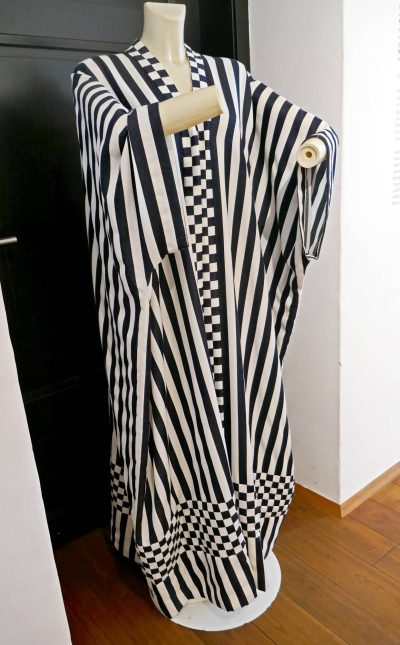
She was an independent designer, businesswoman, and co-owner of the Schwestern Flöge fashion salon. Her work belonged to the wider culture of Viennese modernism, reform dress, design, photography, and the social networks surrounding the Vienna Secession and Wiener Werkstätte.
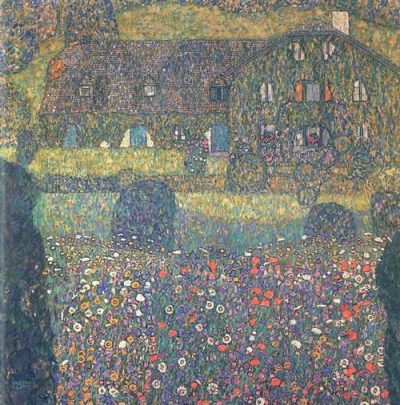
Flöge and Klimt spent repeated summers at the Attersee between 1900 and 1916.
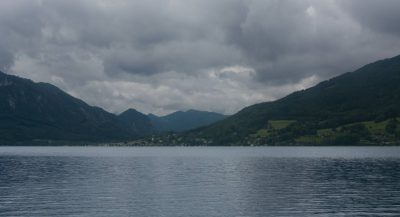
These summer periods brought together landscape painting, fashion, photography, friendship, business, and leisure. Klimt’s square landscapes transformed water, gardens, houses, and trees into dense, self-contained fields of color and pattern. Informal photographs of Flöge and others created another image of summer modernity through clothing, movement, and social life.
At the Attersee, Viennese modernism did not simply go on holiday.
It changed medium.
The city’s ideas about design, art, fashion, and modern life entered the lake landscape, while repeated summer residence altered the forms through which that landscape returned to Vienna.
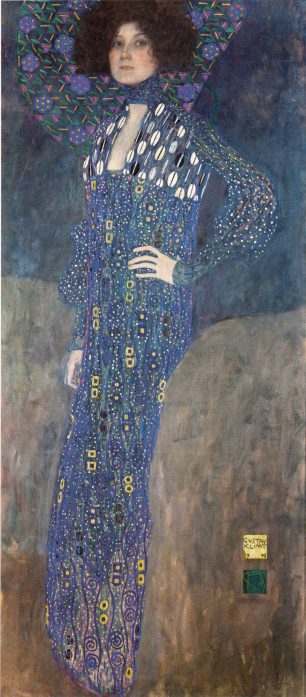
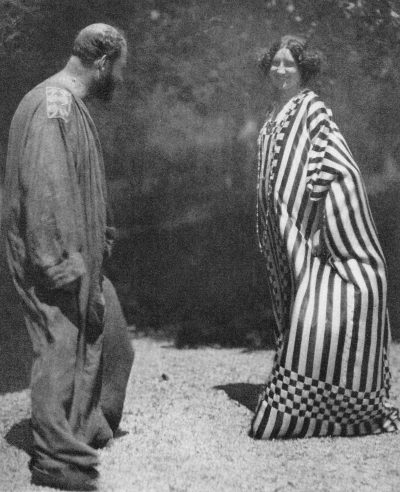
At the Attersee, Viennese modernism did not simply go on holiday. It changed medium.
Schönberg at the Traunsee
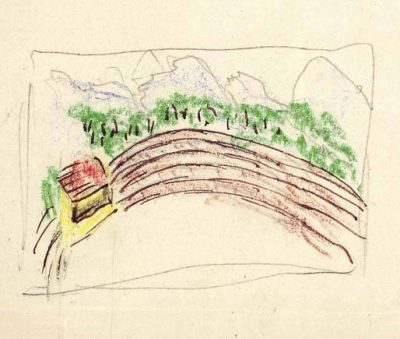
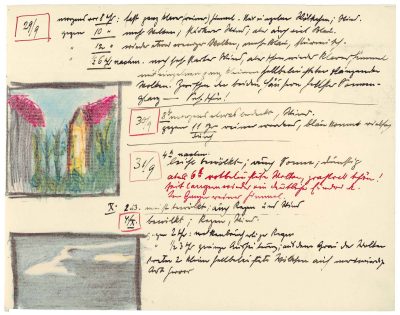
Arnold Schönberg spent six summers at the Traunsee between 1905 and 1923.
He worked there not only as a composer but as a writer, painter, and draftsman. His summer life at the lake belonged to a period of intense formal experimentation. In Traunkirchen in 1921, he began work associated with the complete use of a twelve-tone row.
The lake was not an escape from modernism.
It became one of its working sites.
Schönberg’s summer history must be understood first through his cultural contribution. Only then can the later history of antisemitic exclusion be understood in its full contradiction.
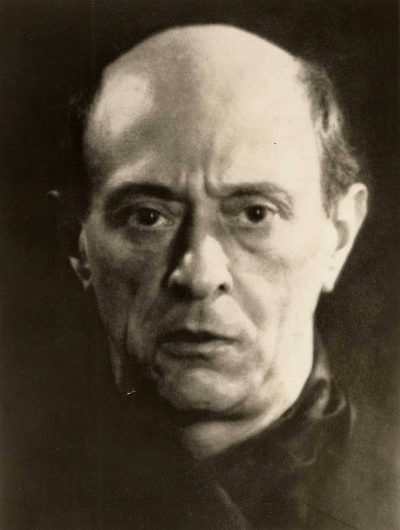
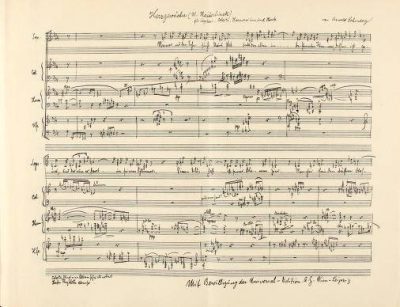
Strauss, Brahms, and Lehár at Bad Ischl
Bad Ischl’s cultural life was not organized around solitary retreat alone.
Johann Strauss II, Johannes Brahms, theater figures, doctors, performers, patrons, and visiting friends formed overlapping summer networks. Music moved between private villas, cafés, theaters, conversations, rehearsals, and social visits.
The resort town became a temporary cultural capital because people met there repeatedly.
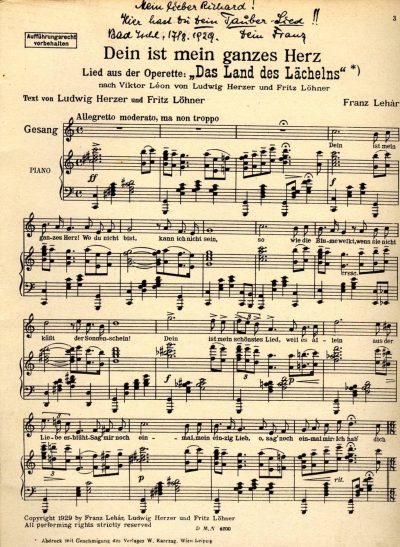
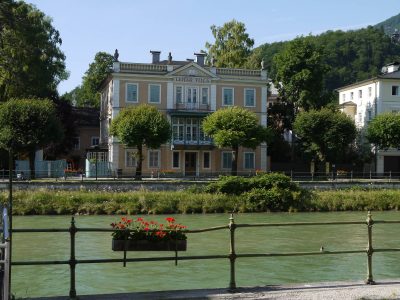
Franz Lehár provides a particularly concrete example. He spent many summers in Bad Ischl, purchased a villa on the Traun, worked there, collected art, and participated in the town’s operetta and cultural life.
The preserved Lehár Villa demonstrates how a summer residence could become both workplace and collection. Its survival as a museum also shows how cultural memory is often anchored in a building that preserves not only rooms, but a public idea of the person who inhabited them.
Loos and Kulka at Landhaus Khuner
Landhaus Khuner represents a different kind of cultural work.
Paul Khuner was a Viennese Jewish industrialist and a long-standing client of Adolf Loos. Loos had already worked on Khuner’s urban apartment before the later commission for the country house near Payerbach.
The relationship between the city interior and the rural house matters.
Landhaus Khuner was not designed as a rejection of Vienna. It transferred urban comfort, privacy, social life, and modern spatial thinking into a mountain setting.
Loos did not reject regional building as such. He rejected its sentimental imitation.
At Landhaus Khuner, timber, stone, roof form, shutters, and landscape orientation were treated as practical architectural questions rather than decorative costume. The exterior acknowledged Alpine building traditions without becoming a theatrical copy of rural life.
Inside, the building created a sequence of compression and release.
The approach and entrance constrained movement before the central hall opened vertically and visually toward the landscape. Smaller niches supported intimacy and privacy. Larger spaces supported family and social life. Windows did not merely admit light. They framed arrivals, views, and relationships between interior and exterior.
The house did not simply provide a mountain view.
It organized how the visitor approached, discovered, and inhabited that view.
This is why architecture belongs at the center of the history of Sommerfrische.
Railways, villas, hotels, gardens, terraces, bathing structures, and mountain houses did not merely receive summer visitors. They taught them how to move, look, gather, withdraw, and remember.
Sommerfrische landscapes became cultural through music, painting, photography, fashion, theater, architecture, patronage, and repeated representation.
The mountain and lake were not only places people visited.
They became ways of seeing.
7. The Labor Behind Sommerfrische
Every season of leisure rests upon someone’s labor.
Sommerfrische depended upon a network of work that the picturesque image often hides.
Women organized the seasonal household. They prepared children, secured accommodation, arranged meals, managed rooms, maintained clothing, correspondence, health, and social ties.
This does not mean women never experienced pleasure, freedom, or relief. It means that leisure and responsibility frequently existed at the same time.
Domestic servants carried a sharper inequality.
Their labor made family mobility possible, yet they possessed little control over their own summer. Some accompanied employers. Some remained in Vienna. Some moved between households. Their duties could intensify when unfamiliar accommodation, travel, guests, and children had to be managed in another place.
Pensions and hotels redistributed labor rather than eliminating it.
Cooks, cleaners, laundresses, porters, gardeners, maintenance workers, and service staff created the experience that visitors understood as rest. Railway employees transported guests and luggage. Local drivers connected stations with hotels and villas. Farmers, butchers, bakers, merchants, and market sellers supplied the seasonal population.
Even the cultivated landscapes of the earliest seasonal residences depended upon large staffs of gardeners, stable workers, servants, artisans, and estate employees.
Room rental could support rural households. Tourism could finance infrastructure and create businesses.
But the relationship was not equal.
Local buildings, food systems, and work rhythms were increasingly reorganized around urban visitors. A successful season might provide essential income. A poor season could create hardship. Housing and land could be adapted toward the needs of guests rather than residents.
The working father who remained connected to Vienna also belonged within this economy of uneven time.
His paid employment financed the family’s stay and kept the household tied to the city. Yet paid work was more publicly recognized than the domestic and service labor surrounding it.
For most nineteenth-century workers, the obstacle to Sommerfrische was not only the cost of a train ticket or room.
It was time.
Long hours, insecurity, and the absence of protected paid leave made extended departure structurally impossible. The decisive privilege was the ability to stop working long enough to occupy another place.
Enrichment was never distributed equally.
It depended on who controlled the time, who performed the work, and who was permitted to belong.
8. Jewish Participation, Exclusion, and Memory in Austria’s Summer Resorts
Jewish families, industrialists, merchants, professionals, artists, and permanent local residents were among the people who gave Austria’s summer landscapes their architecture, commerce, cultural networks, and social life.
Their history is therefore one of participation before it becomes one of rejection.
The names already encountered throughout this article make that participation visible.
Nathaniel Rothschild commissioned a major country residence at Reichenau. Paul Khuner employed Loos and Kulka to create one of the region’s most important modern houses. Arnold Schönberg worked as a composer, writer, and painter at the Traunsee. The Inwald-Waldtreu family connected industrial production, Ringstrasse Vienna, and villa ownership in Bad Ischl.
Nathaniel Rothschild in Reichenau
Nathaniel Rothschild first entered Reichenau’s established hotel culture as a recurring guest. He later commissioned a country house of his own.
The movement from guest to builder is significant.
Repeated seasonal residence could become attachment, investment, architecture, and a claim to place. Rothschild’s house physically embedded Jewish banking wealth within a region often narrated through court, aristocracy, and railway hotels.
At the highest levels of the Großbürgertum, a private urban residence and a summer property could form part of the same geography of social arrival.
The Inwald-Waldtreus at Villa Seilern
The Inwald family entered Bad Ischl through the industrial world of the monarchy.
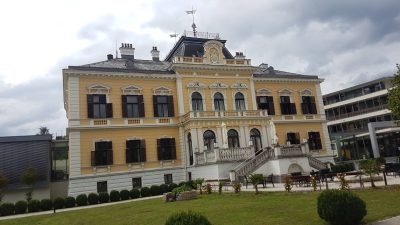
Their glass enterprises extended across several regions. Their Viennese home stood on the Stubenring. In 1923, Oskar Inwald-Waldtreu and his wife acquired Villa Seilern, a substantial residence already embedded in Bad Ischl’s aristocratic and imperial summer society.
The family did not merely visit the resort town.
It acquired one of its recognized properties.
Oskar also participated in regional leisure institutions, demonstrating that the family’s relationship with the Salzkammergut extended beyond private ownership.
Yet economic success, social participation, and conversion to Christianity did not provide security after 1938.
Following the Anschluss, the family’s control of Villa Seilern came under pressure. The transfer of the property within the family was scrutinized by local Nazi interests seeking to expose Jewish-owned wealth to forced transfer.
Oskar died by suicide in December 1938. His daughter Maria and her family escaped Austria in 1939. The family retained legal control of the property and sold it in 1951 to the Upper Austrian teachers’ health and accident-welfare institution, which converted it into a convalescent facility. The villa was expanded into the present hotel and wellness complex between 2006 and 2008.
The exact legal distinction matters.
Villa Seilern should not be described casually as a property that was successfully Aryanized if the family’s protective transfer remained legally effective. Yet the attempt to strip the family of control reveals the danger surrounding Jewish-owned summer property.
Permanent Jewish Bad Ischl
The Jewish history of Bad Ischl did not consist only of wealthy villa owners and celebrated summer visitors.
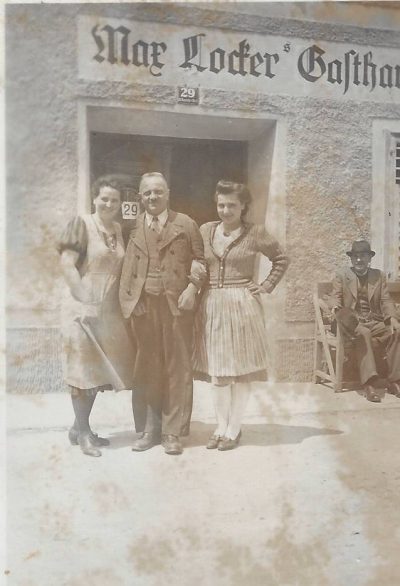
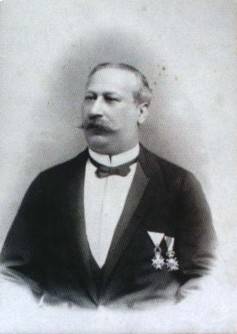
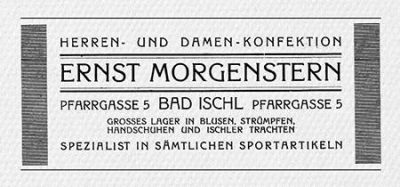
Ernst Morgenstern had lived in the town for decades. He operated a clothing and sportswear business in Pfarrgasse and lived with his wife Antonia, their sons, and his sister-in-law, who worked as a seamstress.
Their life belonged to the everyday commercial fabric of the town.
On May 6, 1938, Ernst and Antonia Morgenstern were forced under pressure to sell their house and shop in what Bad Ischl’s official memorial research describes as the town’s first “wild Aryanization.” Antonia died by suicide days later. Members of the family escaped to Britain. Although the property was later restituted, they did not return.
Nearby, Elsa Walters operated a perfumery and leather-goods business. Her property and livelihood were taken. She was later deported and murdered.
These histories correct the image of Jewish Bad Ischl as a world populated only by wealthy visitors.
Permanent Jewish residents included merchants, businesswomen, doctors, industrial employees, professionals, children, and families whose lives continued through every season.
The resort did not function only through imperial guests and villa owners.
It also depended upon the people who lived, traded, worked, and raised families there all year.
Economic access was not the same as permission to belong.
Cultural Contribution Did Not Guarantee Belonging
Jewish cultural and economic participation did not guarantee welcome.
The history of Arnold Schönberg demonstrates the contradiction with particular clarity. He had already formed a deep creative relationship with Austrian summer landscapes. He worked repeatedly at the Traunsee and belonged unquestionably to the cultural history of modern Austria.
Yet in 1921, he was confronted with antisemitic exclusion at Mattsee. His prominence did not protect him. Conversion did not provide security. Cultural contribution did not establish an unquestioned right to belong.
Resort antisemitism existed long before 1938. Hotels, tourism organizations, local political movements, and social networks could define particular landscapes as places in which Jewish presence was unwelcome.
Economic access was not the same as permission to belong.
The Summer of Absence
After the Anschluss, the seasonal geography itself became a mechanism of dispossession. Jewish villa owners who had previously traveled from Vienna to Bad Ischl were not expected to return for the summer of 1938. Local profiteers understood this absence.
Bad Ischl’s memorial research documents how Wilhelm Haenel established operations in Vienna and used threats, coerced agreements, and fraudulent practices to gain control of Jewish-owned villas. The route that had connected Jewish Vienna to its summer residences became a geography of absence that local profiteers exploited. This is one of the most devastating transformations within the history of Sommerfrische.
The villa had represented continuity, attachment, and repeated return. In 1938, the interruption of return became an opportunity for theft.
The persecution was not an outside event imposed upon an innocent resort world. It involved local participation, local knowledge, and familiarity with which families owned which properties and where they lived in Vienna.
What the Townscape Remembers
Bad Ischl’s Stecknadeln der Erinnerung, Pins of Memory, project attempts to restore these histories to visible space.
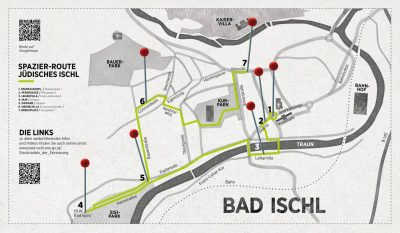
Developed by the city with artist Teresa Distelberger, historians, and researchers, the project marks selected locations connected with Jewish life, persecution, dispossession, and resistance. Twelve large markers and an associated walking route titled Jüdisches Ischl allow visitors to encounter former residents and the actions of local perpetrators through buildings that might otherwise appear silent.
The project asks the townscape to reveal more than its attractive surfaces. Architecture preserves unevenly. Schloss Rothschild remains monumental. Villa Seilern survives as a prominent hotel. A merchant family’s former shop may be passed without recognition unless memory work marks it. Wealth leaves buildings and archives. Ordinary participation is easier to erase. A place becomes more truthful when the histories hidden behind its attractive surfaces are restored to view.
9. Sommerfrische Within Vienna: The Alte Donau and Public Baths
Vienna did not only build routes out of the city.
It gradually created forms of summer difference within it.
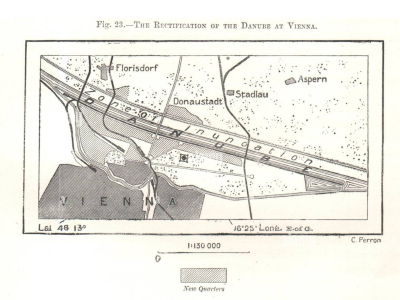
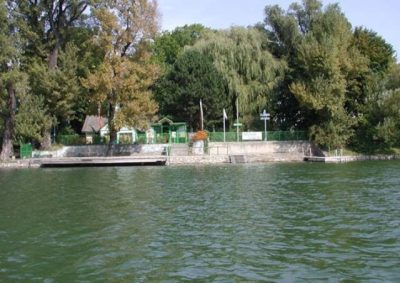
The Alte Donau is not an untouched lake that survived beside Vienna. It is a product of the nineteenth-century regulation of the Danube. When the former river arm was separated from the new main channel during the regulation works of 1870 to 1875, it became a distinct urban water landscape.
Over time, the Alte Donau developed into a place of bathing, rowing, sailing, promenading, garden restaurants, and public summer life.
The opening of the Gänsehäufel municipal bath in 1907 created a particularly important destination. Before the First World War, it was already attracting more than 200,000 visitors annually. It offered water, air, beach culture, movement, and sociability on a city scale.
The experience resembled a Seebad, a lakeside resort, while remaining within Vienna.
Other bathing places followed along the Alte Donau, including Strandbad Alte Donau, Angelibad, and Arbeiterstrandbad. Together they created a distributed urban summer culture rather than one isolated bath.
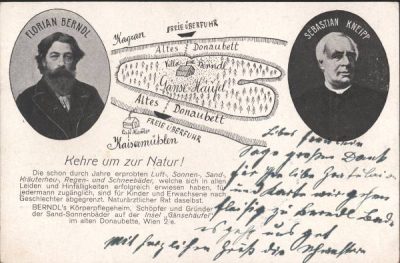
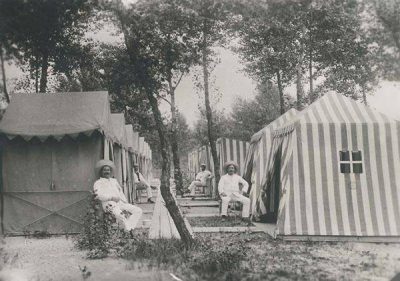
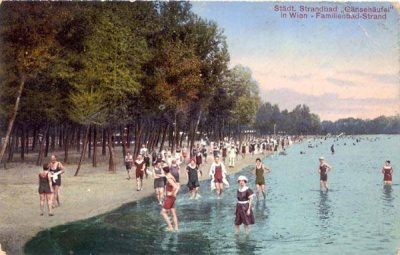
Vienna did not only build routes out of the city. It built forms of summer difference within it.
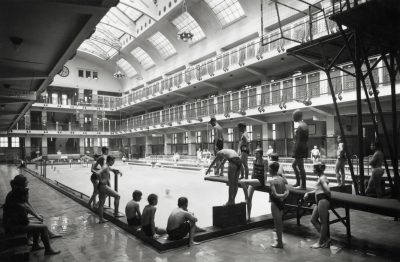
The city’s municipal Sommerbäder, outdoor summer pools, belonged to a related but different history.
These facilities were more closely tied to neighborhoods, public health, municipal housing, family recreation, and daily life. Red Vienna expanded public bathing as part of a much larger social project involving hygiene, health, air, sunlight, sport, housing, and access to recreation.
The great public baths, district pools, children’s pools, and outdoor facilities did not reproduce the private villa or country pension. They democratized selected parts of the Sommerfrische promise: water, sunlight, bodily movement, family recreation, and temporary distance from cramped urban life. The Alte Donau offered a destination-like urban lake landscape. The district Sommerbad offered a daily and neighborhood summer. Together, they created a system in which a person did not require a villa, railway journey, or overnight stay to cross into another seasonal rhythm.
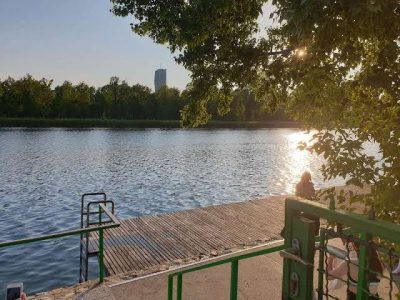
I have often gone to the Alte Donau after work. The journey is brief. The city does not disappear. It remains somewhere beyond the wooden dock, the water, the sound of boats, and the simple food served nearby.
Yet the body understands the crossing.
Shoes come off. The pace changes. The same stretch of water becomes familiar through return. It is not historical Sommerfrische in the strict sense. It is an urban descendant of its promise.
10. From Sommerfrische to Modern Tourism: Paid Leave and Private Mobility
Sommerfrische did not simply disappear and make way for tourism.
Its transformation involved political rupture, labor reform, changing technology, altered family structures, and the destruction of communities that had helped create the older summer world.
The First World War and the collapse of the Habsburg monarchy destabilized the economic and social structures supporting the classic bourgeois seasonal residence. Inflation and economic crisis altered patterns of property ownership and leisure.
National Socialism brought a far more violent rupture.
Jewish families were excluded, dispossessed, expelled, and murdered. Villas, businesses, collections, and social networks were lost. The postwar summer landscape could not simply resume because some of the people who had animated it were gone and others had no reason or possibility to return.
At the same time, paid leave began widening access to holidays.
Austria’s Worker Vacation Act was passed on July 30, 1919. It created a legal right to one or two weeks of paid annual leave for covered workers, depending upon length of service. Earlier legislation had already granted vacation rights to certain commercial employees in 1910, and later laws extended provisions to additional occupational groups.
This was not merely a consumer development.
It was a political achievement.
Paid leave did not simply allow workers to imitate bourgeois Sommerfrische. It created new cultures of recreation. Workers and lower-income families developed holidays through organized travel, modest pensions, bathing places, camping, youth and workers’ associations, family visits, and shorter regional stays. Time away from work became less dependent upon private wealth and more closely connected to social rights.
Mobility also changed in stages.
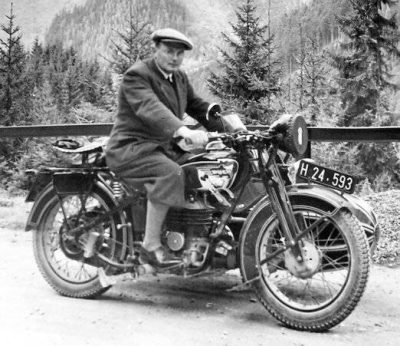
The railway remained essential. Bicycles widened the reach of ordinary travel. Before mass car ownership, motorcycles, mopeds, scooters, and sidecars gave many Austrians a new measure of personal freedom. Puch motorcycles and Lohner scooters became familiar machines. Vespas and Lambrettas joined the postwar road. Riders traveled toward the Salzkammergut, across Alpine passes, and, when means and roads allowed, toward Italy and the Adriatic. For some couples and small families, a motorcycle with sidecar offered motorized travel before a car became affordable.
This was not effortless freedom. The traveler remained exposed to weather, poor road surfaces, mechanical failure, limited luggage, and the physical reality of distance. The journey itself became a major part of the holiday.
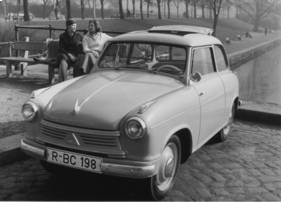
During the 1950s, car ownership expanded rapidly. Registered passenger cars in Austria rose from 48,453 in 1950 to 348,852 in 1958. The small private automobile changed family travel again. It allowed more luggage, flexible departure times, access beyond the railway network, and movement among several destinations. Roads, parking, roadside restaurants, fuel stations, and new accommodation patterns developed around the motorized traveler.
The private car did not simply make old destinations easier to reach.
It reorganized the geography of tourism.
Flights and package holidays widened the map further. Mediterranean sun, standardized accommodation, and international travel products offered distance, novelty, and a more predictable form of escape.
The long seasonal residence became one possibility among many. The family holiday, pension stay, camping trip, weekend, day excursion, motor tour, and international package holiday entered the same cultural field. Modern tourism widened access while compressing duration. A nineteenth-century family might remain in one place long enough for the landscape to become ordinary. A modern traveler might see several extraordinary places within one week.
Neither model was automatically deeper.
Historic resorts were already concerned with status, display, and being seen in the correct place. The desire to produce evidence of a successful summer did not begin with social media. What changed was the speed, scale, and personal visibility of the performance. A holiday may now be burdened with the expectation that scarce time must produce maximum experience.
At Lunzer See, I once encountered something that felt like ein Sommer von damals, a summer from another time. Several generations shared the same bathing place. Children moved in and out of the water. Adults talked. Older people sat nearby. The food was simple. The pleasure did not depend upon constant novelty.
But memory must be handled carefully.
A simple summer may reflect community, repetition, and attention. It may also reflect limited means, invisible work, or a past from which many people were excluded. The point is not that the old summer was better. The point is that modern tourism expanded distance and access without guaranteeing a changed rhythm.
11. What Happened to Former Sommerfrische Places?
The classic bourgeois household migration is no longer the dominant model.Yet Sommerfrische has not vanished.It survives in repeated practices.
Families return to the same village or lake. Children learn one swimming place over many summers. Familiar walks, foods, jetties, garden restaurants, and seasonal acquaintances accumulate into memory.
A place may become meaningful not because it is constantly surprising, but because it has been inhabited repeatedly. Sommerfrische also survives through buildings. These buildings do not preserve the past unchanged. They are adapted, revived, institutionalized, commercialized, and interpreted.
Schloss Rothschild
Schloss Rothschild began as an elite private country residence. Today, it belongs to the Vereinigte Altösterreichische Militärstiftungen and is leased to Austria’s Federal Ministry of Defence as a seminar center. The foundation also offers holiday apartments within the Schloss and gatehouse. A building created through exceptional private wealth now combines institutional education, seminars, and continuing temporary recreation.
Villa Seilern
Villa Seilern moved from aristocratic summer residence to Jewish industrial-family ownership, then to health and convalescent use, and finally to a modern wellness and seminar hotel. The protected historic villa remains the symbolic center of the larger complex, while the present resort combines accommodation, wellness facilities, dining, and seminar spaces. The building still serves temporary residence, health, and renewal, but through forms of hospitality very different from those of the Inwald-Waldtreu family.
Knappenhof
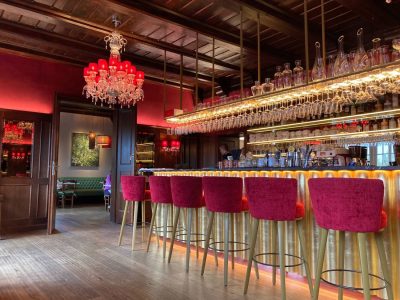
The Knappenhof has been consciously restored through the language of Die neue Sommerfrische, the new Sommerfrische. Its contemporary identity draws upon history, design, hospitality, the Rax landscape, and the possibility of leaving Vienna for a shorter stay.
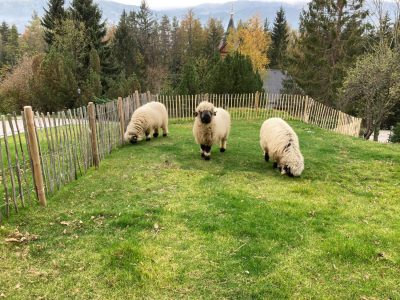
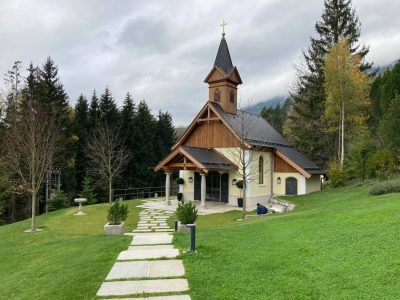
When I stayed there, what affected me was not only the historical interior or the comfort of the hotel. It was the relationship between the building and the mountain. The cultivated space did not seal the landscape out. The path remained close. The Rax was present as a physical direction. The distance from Vienna was not enormous. The change in rhythm could be.
Landhaus Khuner and the Looshaus
Landhaus Khuner followed another path.
In 1959, Ilse Wurdack purchased the former private country house, restored it, and converted it into a hotel and restaurant. Still operated by the family and protected as a listed building since 1963, the Looshaus preserves a modernist Sommerfrische residence through continuing hospitality rather than museum use. The house remains inhabitable. Its architecture is not viewed only from outside. Guests continue to enter, occupy, eat, sleep, and look through the spaces designed by Loos and Kulka.
Four Afterlives
These properties preserve temporary retreat in different ways: one through institutional use, one through health and commercial hospitality, one through conscious cultural revival, and one through the continued occupation of a modernist private house. None is an untouched survival. This is why asking whether Sommerfrische still exists may be the wrong question. A better question is:
What becomes of a Sommerfrische place when the social world that created it disappears?
It may become a seminar center, wellness hotel, heritage property, restaurant, or cultural brand. It may continue to provide rest while presenting only selected layers of its history.
Heritage narratives often favor what can be most easily converted into atmosphere: aristocratic elegance, imperial guests, architecture, landscape, and well-being. Other histories require deliberate interpretation: Jewish ownership, forced sales, domestic labor, servants, local commerce, and permanent residents.
The Stecknadeln der Erinnerung project offers a countermodel. It asks visitors to see buildings not only as beautiful surfaces, but as places through which lives, businesses, violence, and memory passed.
The task is not to reject beauty because history is difficult.
It is to see both at once.
What may remain valuable in Sommerfrische is not the hierarchy of nineteenth-century summer society. It is not its rigid gender roles, dependence upon invisible service, or exclusionary idea of belonging.
What may remain is: deliberate change of place, sufficient duration for familiarity to develop, repeated relationship with one landscape, sensory difference, ordinary seasonal ritual, and the possibility of returning home with perception altered.
Sommerfrische mattered not only because it carried Vienna into other landscapes. It also changed the city people found when they returned.
12. Leaving Vienna to See It Again
Sommerfrische moved Vienna outward.
It carried court and government, households and professions, artists and patrons, servants and workers, privilege and exclusion into other landscapes. Modern labor rights and new forms of mobility changed who could leave, how far they could travel, and how long they could remain. Nothing requires us to reproduce the historical Sommerfrische intact. We should not want to recover its hierarchy, restrictive family roles, invisible labor, or inherited entitlement.
But something within its structure remains worth examining.
Changing place can alter sound, distance, bodily awareness, and the shape of a day. Returning to the same landscape can allow memory to accumulate. Remaining long enough can make an unfamiliar place ordinary, and make ordinary life newly visible.
When I return to Vienna after time away, the change is often quiet.
The streets have not altered. The tram sounds the same. Yet details emerge with greater sharpness. A façade, a garden wall, a familiar doorway, or the particular light of late summer becomes noticeable again. Distance has not made the city less familiar. It has interrupted familiarity long enough for attention to return.
This may be the lasting cultural value of Sommerfrische. Not that it takes us somewhere beautiful. Nor that it recreates an ideal past. But that a temporary change of place and rhythm can reveal the structures we have inherited, deepen our relationship with landscape, and alter the way we see the life to which we return.
Sommerfrische mattered not only because it carried Vienna into other landscapes. It also changed the city people found when they returned.
What Idea of Summer Did You Inherit?
Was summer associated with one particular place, a family ritual, a lake, a road, a rented room, or a particular kind of food?
Did you grow up expecting summer to mean movement, return, freedom, productivity, simplicity, or display?
The August Salon inquiry continues with the question:
What happens when we leave the habitual long enough to see our lives differently?
Frequently Asked Questions About Sommerfrische
What does Sommerfrische mean?
Sommerfrische is an Austrian and Central European term for a prolonged summer stay outside the city, usually in the countryside, mountains, a spa town, or beside a lake. In its classic Viennese form, families established a temporary household for several weeks or months rather than taking a short sightseeing trip.
When did Sommerfrische become popular in Vienna?
Its courtly and aristocratic precedents were older, but bourgeois Sommerfrische developed especially during the late eighteenth and nineteenth centuries. Railway expansion during the nineteenth century made Lower Austrian, Alpine, spa, and lakeside destinations easier to reach and helped the practice grow.
How was Sommerfrische different from a Kur or a Landpartie?
A Kur was a structured health or spa stay organized around treatments, bathing, drinking cures, regulated walks, and medical routines. A Landpartie was a short excursion into the countryside. Sommerfrische generally involved a longer seasonal residence and the creation of a temporary second household.
Where did Viennese families go for Sommerfrische?
Railways did not invent Sommerfrische, but they made longer-distance stays more regular, repeatable, and accessible. They also helped create new summer landscapes of stations, hotels, villas, walking paths, viewpoints, and scheduled journeys between working Vienna and the temporary summer household.
Who could take part in Sommerfrische?
Access depended upon wealth, time, transport, gender, and labor. Wealthy families could own villas and travel with servants, while others rented rooms or stayed in pensions. Most workers could not leave for extended periods until paid holiday rights and changes in working time expanded access during the twentieth century.
What role did Jewish families play in Austria’s Sommerfrische culture?
Jewish families, entrepreneurs, professionals, artists, patrons, and permanent residents helped finance, build, inhabit, and animate Austria’s summer resorts. Their cultural and economic contribution did not protect them from resort antisemitism, exclusion, dispossession, and persecution.
Was the Alte Donau part of Sommerfrische?
Not in the strict historical sense of transferring a household to the countryside. However, the Alte Donau and Vienna’s public baths created an urban descendant of Sommerfrische’s promise: water, air, movement, family time, and a temporary change of rhythm without leaving the city.
Does Sommerfrische still exist today?
The classic months-long relocation of a bourgeois household is much less common, but the underlying idea survives in repeated lake and mountain stays, weekend retreats, urban bathing, and the desire to live differently by changing place and rhythm.

Author note
Yolanda Reischer-Bohanec is the founder of Understanding Vienna. She writes about Vienna as a city of memory, beauty, contradiction, and hidden passage, a place where history is not only studied, but entered.
This essay is part of the emerging Symbolic Vienna series, which reads the city through signs, spaces, rituals, visual memory, and layers of cultural meaning.

Continue the Sommerfrische Inquiry
The history continues in The Salon through fieldwork, personal reflection, inherited ideas of summer, and the question of what really changes when we leave the city.
Join The Salon and receive future essays and inquiries by email.

Continue the Journey
Read Vienna Beneath the Surface
Receive The Understanding Vienna Field Guide: 7 Ways to Read Vienna Beneath the Surface
and learn 7 ways to notice hidden stories, symbols, thresholds, memory, and the deeper layers of the city.
You’ll also receive occasional Understanding Vienna letters. Unsubscribe anytime.
The Hidden Meanings of the Schönbrunn Maze
The Forgotten Gardeners of Schönbrunn Palace
Vienna as a Symbolic World: Why Place Carries Memory
When Joseph II Opened the Imperial Gardens
History of Sommerfrische: Vienna’s Summer Tradition