
Understanding Vienna Logo Rund

ABOUT
UNDERSTANDING VIENNA

A Cultural Project for
the Recovery of Attention

Understanding Vienna is a cultural project devoted to slow observation, visual literacy, and the recovery of attention. It explores Vienna through hidden places, historical storytelling, visual memory, cultural fragments, and slow, attentive travel.

Vienna cannot be understood through speed. It must be encountered through practices of slow observation, visual literacy, historical imagination, and return.
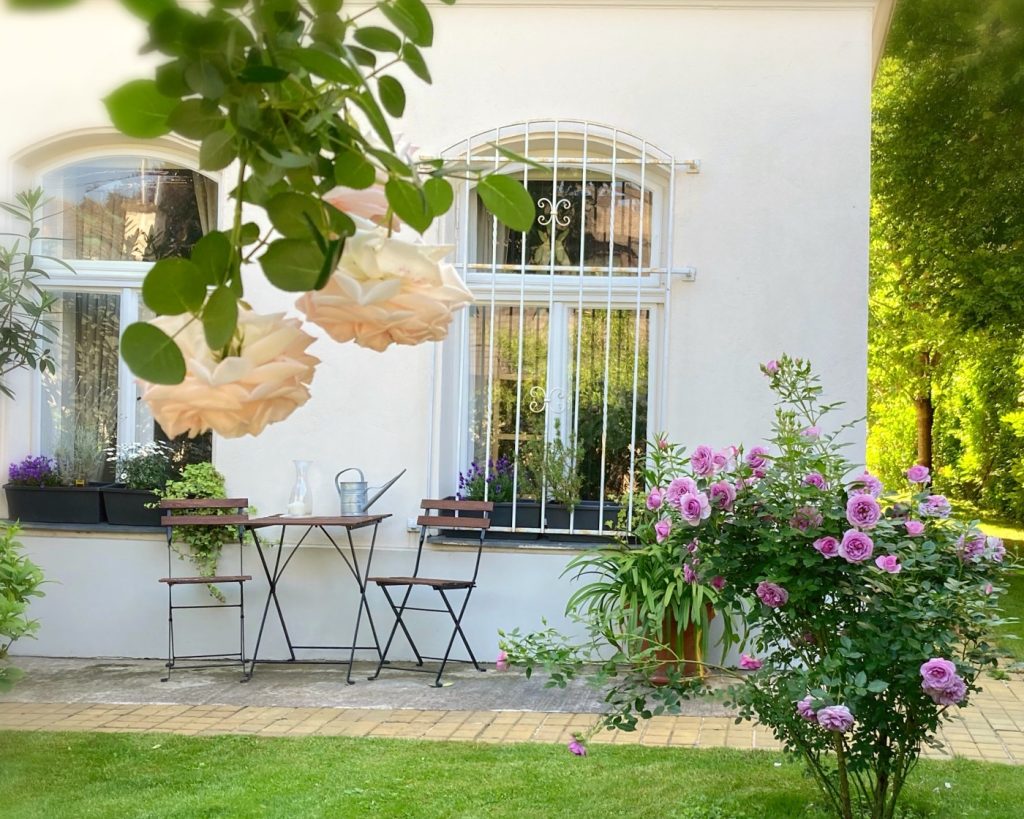
Quiet Viennese garden scene with roses, a small table and chairs, barred windows, and a shaded path framed by greenery.

Why Understanding Vienna Exists

Understanding Vienna exists because attention has become one of the rarest cultural resources.

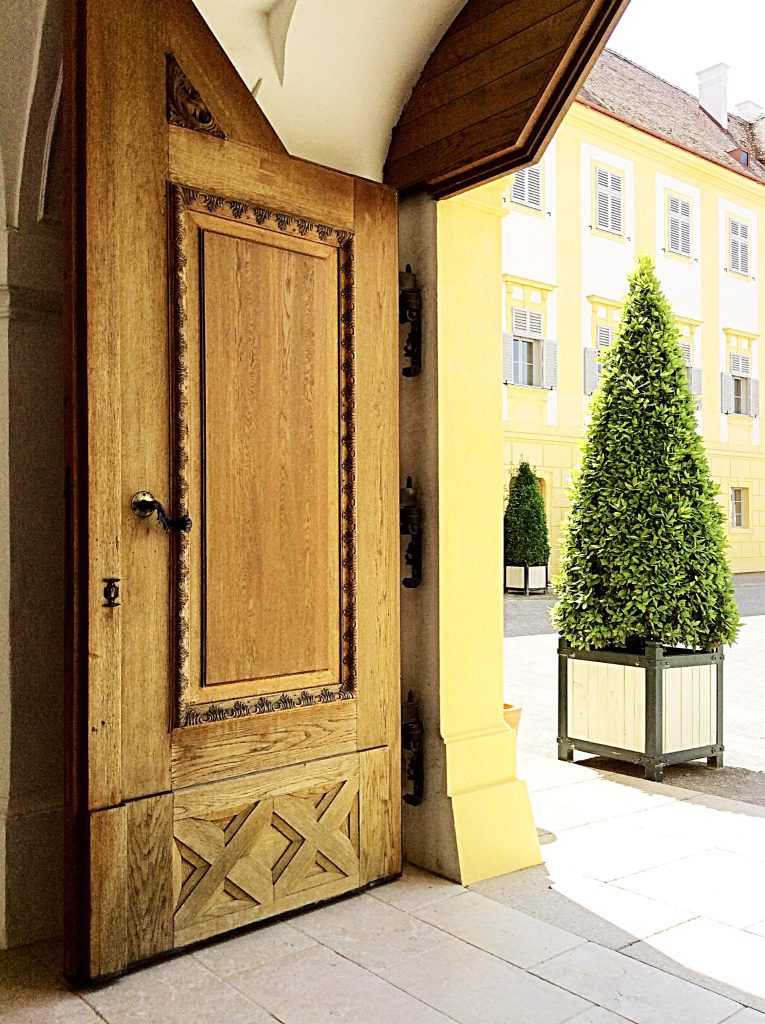
Partly open wooden door leading into a historic Viennese courtyard with yellow façades, shuttered windows, and clipped greenery.

The Problem with Speed

Understanding Vienna exists because attention has become one of the rarest cultural resources.
We live in a time that teaches us to move quickly, consume quickly, photograph quickly, summarize quickly, and pass through places before we have truly seen them. Cities are often reduced to lists: where to stay, what to eat, what to visit, what to post, what to finish in forty-eight hours.
But Vienna does not reveal itself that way.

Speed makes a city flatter. It turns streets into routes, buildings into backdrops, cafés into recommendations, and history into a few recognizable names. It encourages us to collect impressions without staying with them long enough to understand what they might mean.

Understanding Vienna begins from a different belief: that places ask something of us.

They ask for patience, context, and for us to notice what remains half-hidden. A doorway, a garden path, a recipe, a street sign, a threshold, a worn stone step, or a fragment of ornament can hold more cultural memory than a hurried visitor expects.

Why Vienna Rewards Attention

Vienna is not only a destination. It is a layered cultural landscape shaped by empire and absence, ceremony and daily life, music and bureaucracy, beauty and contradiction, memory and forgetting.

Its deeper meanings often appear in quiet details:
the way a façade frames social order or the ritual of a café table. Sometimes,it’s reflected in the geometry of a garden. Very often you read it in the naming of streets and feel it in the silence surrounding a square or a courtyard. It is embedded in the traces left by former borders, classes, languages, and habits. It is made tangible in the objects, recipes, routes, and rooms through which memory is inherited and survives.

To understand Vienna is not to master it, but to learn how to stand before it with better questions.

When you slow down, you learn to ask:
Why this façade?
Why this ritual?
Why this silence?
Why this ornament?
Why this garden?
Why this route?

What you discover is that the city answers back. Maybe not all at once, but gradually, Vienna begins to reveal itself, slowly.

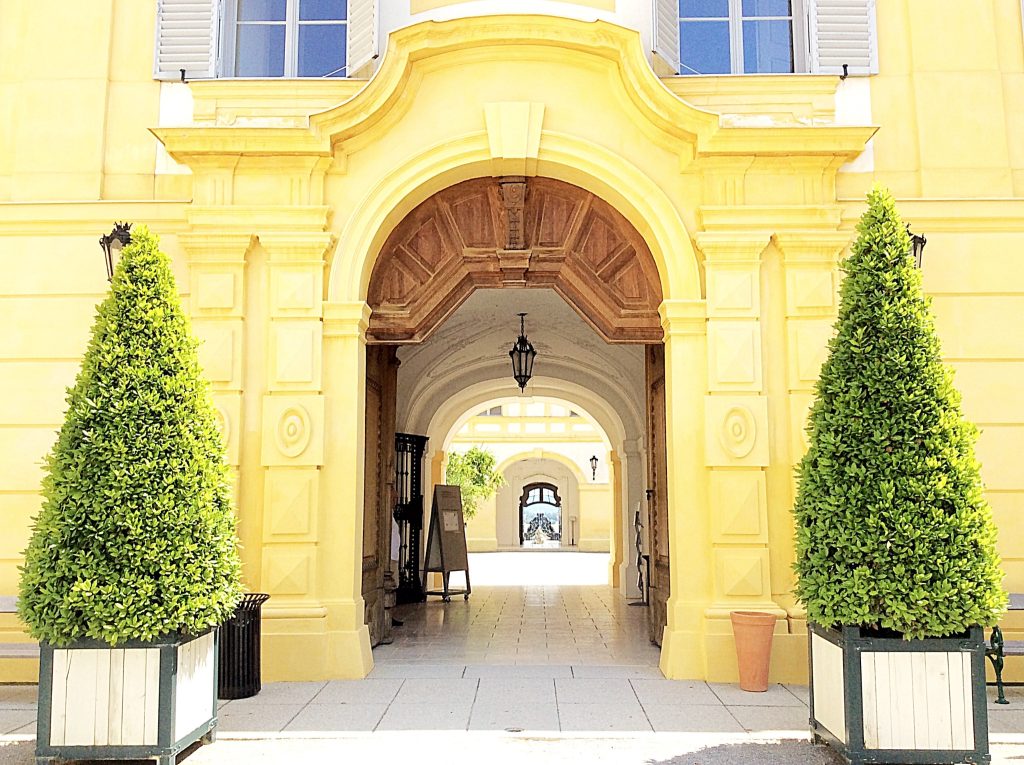
Historic yellow Viennese façade with an arched passageway, clipped trees, and a view through several courtyard openings.

What We Practice Here

Understanding Vienna is a cultural project devoted to slow observation, visual literacy, and the recovery of attention.

It brings together several ways of seeing:

Slow observation, learning to notice what speed teaches us to miss.

Visual literacy, reading surfaces, thresholds, architecture, ornament, objects, and atmosphere as cultural language.

Cultural memory, tracing how the past survives in places, rituals, fragments, and forms of everyday life.

Historical storytelling, using narrative to enter the emotional atmosphere of earlier worlds.

Attentive travel, approaching Vienna not as a checklist, but as an encounter.

Return, because some places only begin to speak after we come back to them.

This work does not treat Vienna as a museum. Nor does it freeze the city inside nostalgia. The deeper city is found by noticing how the past continues to shape the present.

Understanding Vienna spans essays, visual collections, field notes, stories, walking experiences, archives, reader previews, and future cultural programs, because the city itself cannot be understood through a single form.

Each part belongs to the same larger practice: learning how to pay attention.

The project is for readers, travelers, students, locals, and culturally curious people who sense that travel can be more than movement, history can be more than information, and beauty can be more than decoration.
Understanding is slower than seeing.

And Vienna, perhaps more than most cities, rewards those who learn to slow down.

What Understanding Vienna Creates

Black-and-white illustration of a vintage magnifying glass with a metal handle and round lens.

Slow Observation

Learning to notice what speed teaches us to miss.

Black-and-white illustration of an open arched doorway leading into a quiet old street, with stone paving, wooden doors, and a small potted plant.

Visual Literacy

Reading surfaces, thresholds, traces, architecture, objects, and atmosphere as cultural evidence.

stack of vintage photographic prints

Cultural Memory

Exploring how Vienna’s histories survive in places, rituals, stories, fragments, and forms of everyday life.

What This Project Gathers

Understanding Vienna works across several forms because the city itself cannot be understood through only one form.

  • Essays
  • Visual collections
  • Field notes
  • The Archive
  • The Salon
  • The Field Guide
  • Whisper Files
  • Whisper Files
  • The Timekeeper Chronicles
  • The Traveler Series
  • The Resource Collection
  • Walking experiences
  • Future workshops, exhibitions, and cultural programs
How to Enter

Begin with Notes from Vienna

Receive occasional observations, fragments, cultural notes, and invitations.

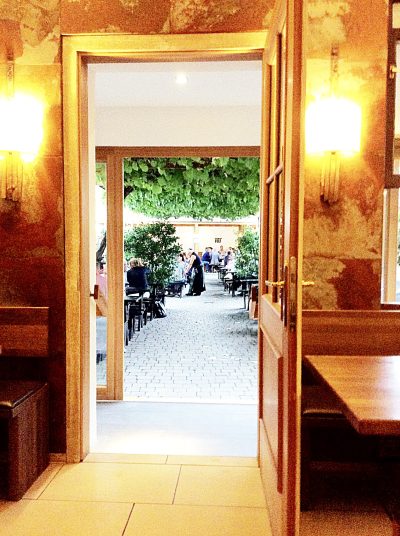
Open doorway from a warmly lit Viennese interior looking out toward a quiet courtyard with tables, greenery, and people in the distance.

Step into the Story World

Receive occasional observations, fragments, cultural notes, and invitations.

Explore the Archive

Read visual fragments, hidden places, and cultural memory.

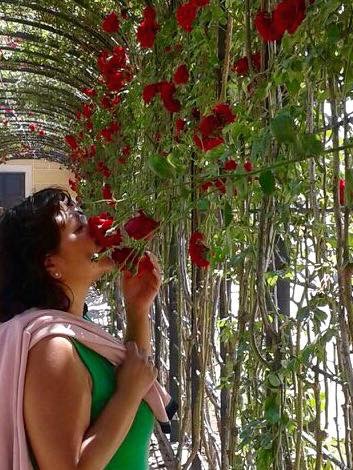
Founder Yolanda Reischer-Bohanec smelling red roses in a garden setting, surrounded by greenery and soft light.
Created from a life of looking closely.

Created from a Life Between Places

Created by Yolanda Reischer-Bohanec
Understanding Vienna was created by Yolanda Reischer-Bohanec, a writer, visual storyteller, and cultural researcher shaped by a life between places, languages, and forms of memory.

Her work brings together historical imagination, visual observation, and cultural storytelling. Having lived across several cultural landscapes, including Mexico, California, Austria, Switzerland, Slovenia and the former Yugoslav context, Italy, Japan, and Saudi Arabia, she approaches Vienna not only as a city to be visited, but as a layered world to be read.

Understanding Vienna grew from this way of looking: attentive, image-led, historically curious, and drawn to what is often half-hidden. Through essays, visual archives, field notes, stories, walks, and future cultural programs, Yolanda is building a cultural home for slow observation and deeper encounters with Vienna.

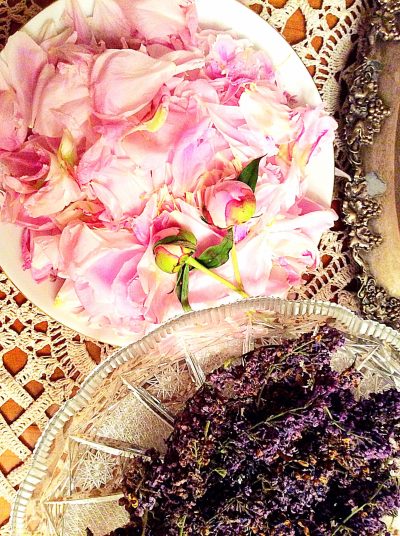
Pink flower petals and dried lavender arranged on plates and cut glass, suggesting scent, memory, and quiet domestic ritual.

Begin with Attention

Receive occasional Notes from Vienna: slow observations, visual fragments, cultural notes, reader previews, and invitations into the deeper city.

Scroll to Top