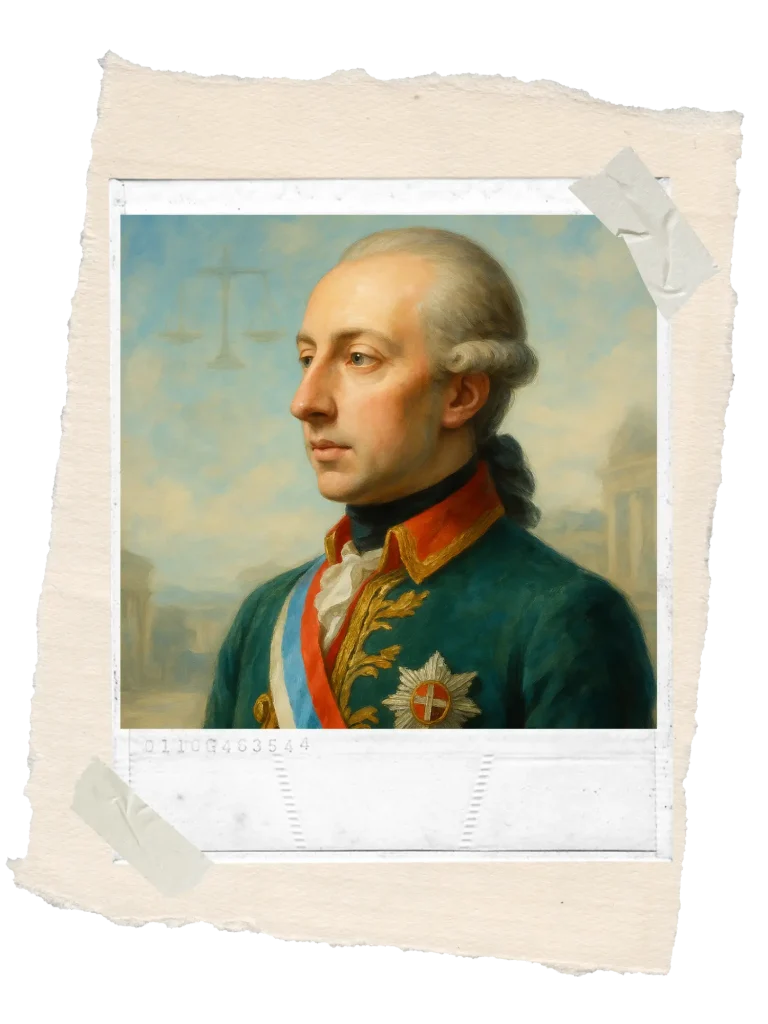
Uncover the forgotten spark that reshaped Vienna—from within the heart of a maze.
Tucked deep inside Schönbrunn’s hedged labyrinth, a forgotten letter awaits—its author none other than Emperor Joseph II. Inspired by Enlightenment ideals and overshadowed by his mother’s legacy, Joseph quietly planted the seeds of reform that would one day open imperial gardens to the people. In this historical short story—part myth, part memory—you’ll walk alongside Christoph, a young gardener, as he discovers a letter that carries not only ink and intent, but the future of Vienna itself.
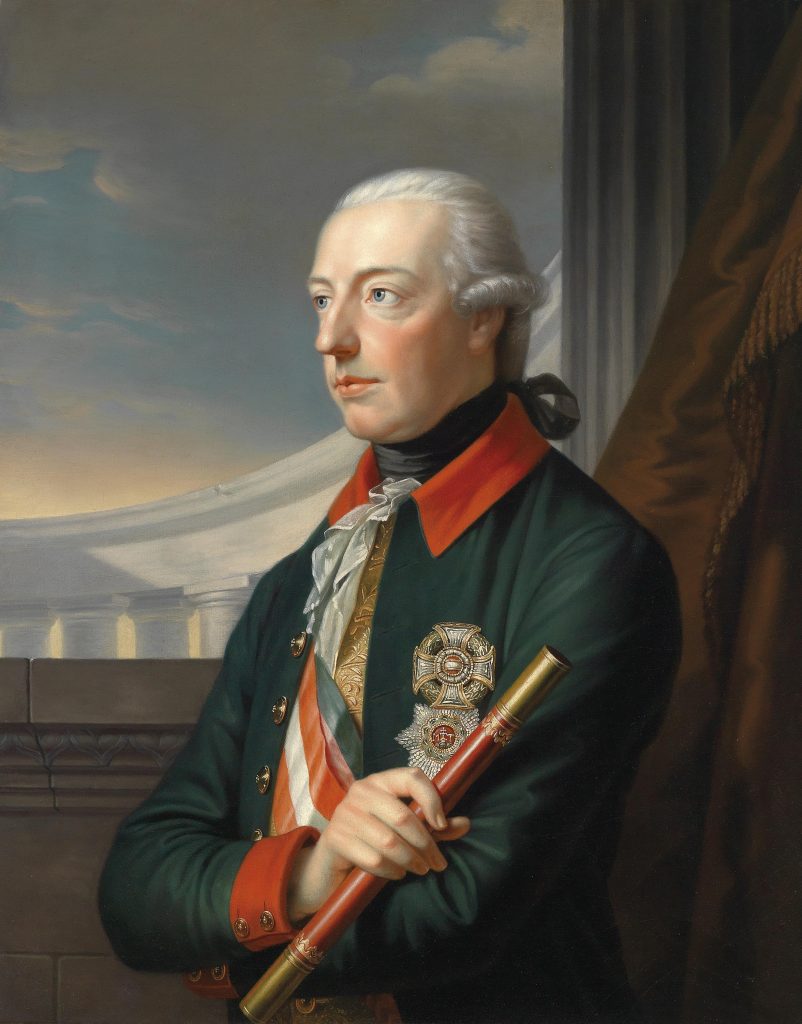
Whispers in the Maze: Joseph II and The Schönbrunn Maze
The evening sun spilled over the gardens of Schönbrunn like molten amber, bathing every hedge, gravel path, and marble statue in a golden hush. Christoph paused, fingers still dusted with flecks of clippings, breath caught between the scent of boxwood and the murmurs of the wind. Around him, the hedgerows stood like silent courtiers, and the air swelled with something more than fragrance—secrets, perhaps. Forgotten truths. Ghosts of emperors and empresses.
He tilted his head. Schönbrunn whispered.
A Rumour Among the Roses
They said a letter lay hidden deep within the maze—tucked beneath ivy and stone, placed there not by sculptors or gardeners but by Joseph II himself—the young emperor, the dreamer, the firebrand in his mother’s long imperial shadow.
Christoph had overheard the whispers just hours earlier, while tending to the roses near the Neptune Fountain:
“They say it’s in the pavilion. A letter written in his own hand. Just like he opened the Prater… maybe Schönbrunn is next.”
The words had danced like music across Christoph’s skin.
The Dreamer in His Mother’s Shadow
Joseph. The co-regent. The restless heir with Enlightenment in his eyes and defiance in his breath. Stories of his radical ideas stirred both admiration and discomfort across Vienna—how he dared to imagine a realm shaped by reason, not ritual. Religious tolerance. A reformed military. A streamlined state unchained from the nobility. Education for all. The end of inherited oppression. He burned with the desire to awaken the empire, while tradition smothered the flame.
Into the Labyrinth
The maze called to Christoph like a riddle.
As twilight deepened, he stepped quietly between the hedges. The gravel sang beneath his boots. The leaves rustled not with breeze but with anticipation. The maze twisted like thought itself—sharp turns, quiet dead ends, sudden clarity. At its heart stood the pavilion, pale and still, bathed in honeyed dusk.
The Carving Beneath the Ivy
And beneath it—there. A carving. Faint. The imperial eagle hidden in the vine. He knelt. One hand brushed the stone. A shift. A loosened slab. And behind it, folded like a forgotten breath, was the letter. He opened it with reverence. The ink had faded slightly, but the words—oh, the words—blazed.

Reflections on the Future of This Garden and the People It May One Day Welcome
To whomever discovers this letter,
I leave these words not as ornament, nor in pursuit of legacy, but as a reflection of duty and truth.
This garden, like the empire that surrounds it, was conceived as a monument of power and symmetry. My parents, Franz Stephan and Maria Theresa, sought to enshrine order, beauty, and imperial grandeur through these carefully measured paths. I do not diminish their vision. They built what they believed would endure.
But empires, like gardens, must breathe. And no design—however perfect—should remain unchanged when the people who walk its paths are not yet free.
I believe in another Austria. One where knowledge is not locked behind stone walls, and beauty is not the inheritance of birth, but a birthright of all who seek it. I believe in a state that serves not itself but the common good, where faith does not bind the conscience, and where duty means lifting every soul, not simply managing the fortunate few.
Just as I opened the Prater to the people—so shall I do with Schönbrunn. These grounds, these fountains, these statues: they must no longer serve only as emblems of authority, but as symbols of illumination.
Let every man and woman who enters this place know that they do so not as subjects begging entry, but as citizens of a future not yet written—a future governed not by inheritance, but by merit, not by fear, but by reason, not by spectacle, but by truth.
May you who find these words walk these paths with your head held high. You are not an intruder here. You are a participant in the unfolding of something greater—a republic of the spirit, where the good of the many outweighs the privilege of the few.
That is the Austria I strive for.

A Vision Ignited
Christoph’s heart opened like a gate. He closed his eyes and felt the letter settle into his soul. A vision, wild and alive, ignited behind his ribs—an empire not ruled but lifted, a garden not guarded but shared, a ruler not feared but followed.
He gently returned the letter to the stone and stood in the golden silence. In that moment, he understood that revolution does not always roar. Sometimes, it rustles like ivy. Sometimes, it waits quietly in a garden, beneath an emperor’s seal.
Joseph’s Legacy in Bloom
Two years later, the gates of Schönbrunn swung open to all.
Though history has carved Maria Theresa’s name into arches and halls, Joseph’s spirit wanders the maze, whispering truths through the leaves and stone, brushing visitors with the scent of vision and the hush of awakening.
Even centuries later, when the maze was restored in 1999, the wind still remembered. Today, it continues to trace Christoph’s steps and rustles the hedges with breathless anticipation. It invites you to lean in, listen, and hear the whisper that once changed a nation:
Gardens—like souls and ideas—only bloom when opened.
Joseph II, Emperor of the Romans and Co-Regent of the Habsburg Lands
from “Whispers in the Maze: Joseph II and The Schönbrunn Maze”
❧
🌿 Want to explore the real Schönbrunn Maze?
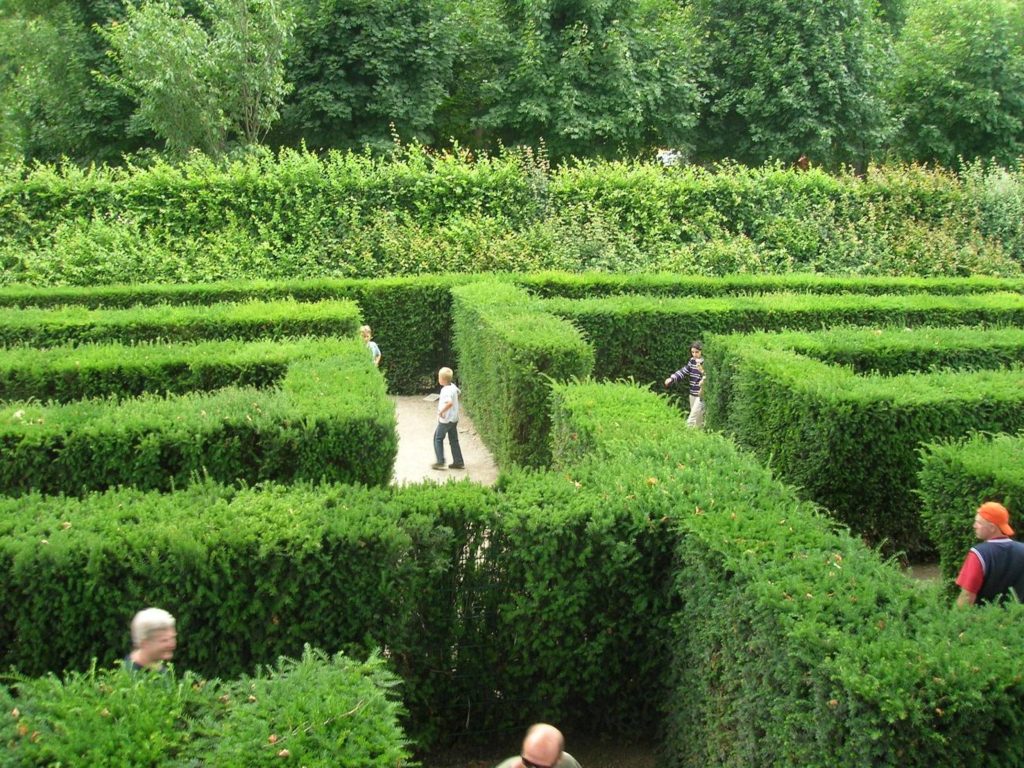
Visit the official Schönbrunn Palace website for opening hours, photos, and historical background.
📬 Subscribe now to receive beautifully designed downloads—like Joseph II’s hidden letter—and unlock more untold stories from Understanding Vienna.

Did this story draw you deeper into Vienna’s hidden history?
Whispers in the Maze: Joseph II and The Schönbrunn Maze is part of the Traveler Series by Understanding Vienna.
Uncover more immersive tales in
Walk Through Time: History & Humanity in Storied Vienna.
✨ Subscribe now to receive early access, beautifully designed downloads—like the hidden letter from Joseph II and The Schönbrunn Maze —and continue exploring the stories and historical surprises that breathe life into the streets of Austria’s imperial capital.
The form you have selected does not exist.

Rose Garden Bench in the Volksgarten — Vienna Visual Archive
A bench facing the rose garden in Vienna’s Volksgarten · Photography · Vienna Rose Garden Bench in the VolksgartenMediumPhotographyLocationVolksgartenDr.-Karl-Renner-RingDistrictInnere Stadt (1st District)CollectionWhere Time SlowsSeriesUnderstanding Vienna Visual ArchiveRelated SeriesTraveler SeriesYear2018 A…
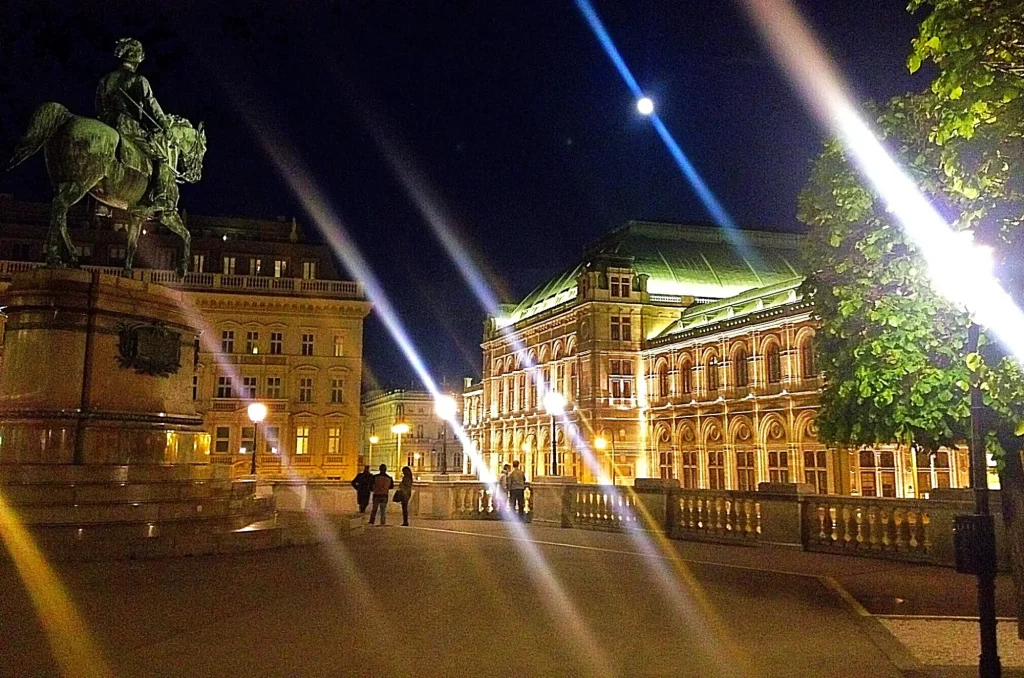
Opera House at Night — Vienna Visual Archive
The Vienna State Opera illuminated along Opernring at night. · Photography · Vienna Opera House at NightMediumPhotographyLocationVienna State OperaOpernringDistrictInnere Stadt (1st District)CollectionVienna EveningsSeriesUnderstanding Vienna Visual ArchiveRelated SeriesTraveler SeriesYear2015 Night falls…
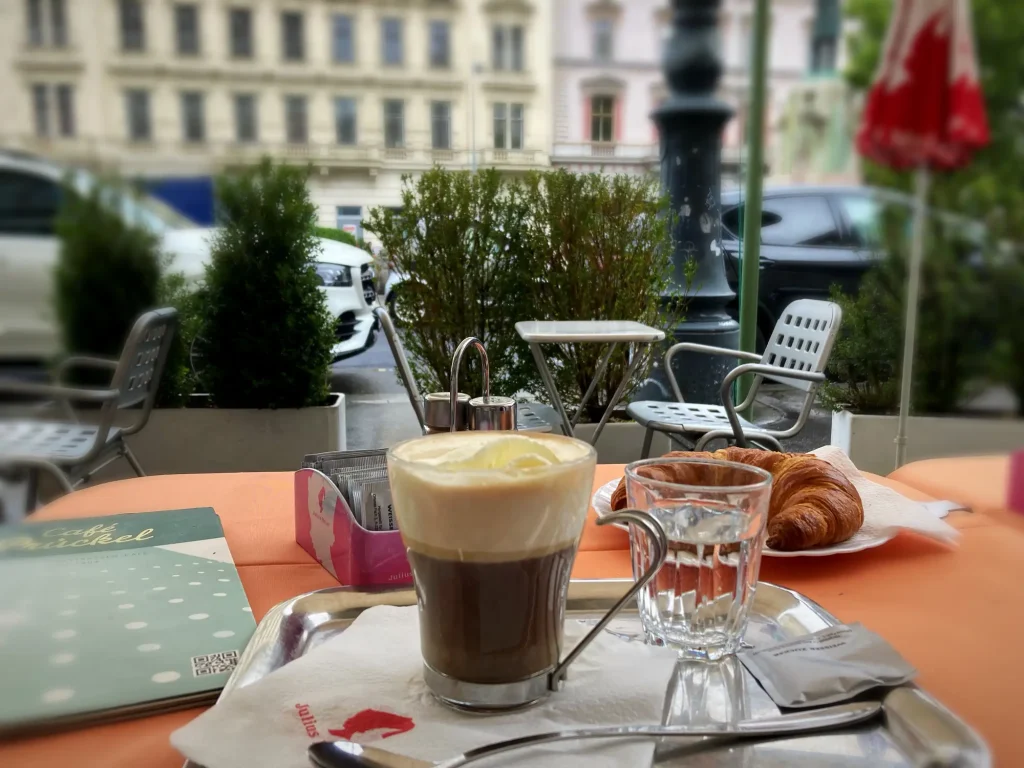
Morning at Café Prückel — Vienna Visual Archive
Morning at Café Prückel · Photography · Vienna Morning at Café PrückelLocationCafé PrückelDr.-Karl-Lueger-Platz · ViennaDistrictInnere Stadt (1st District)MediumPhotographyCollectionWhere Time SlowsSeriesUnderstanding Vienna Visual ArchiveYear2019 Morning at Café Prückel on Dr.-Karl-Lueger-Platz, where…
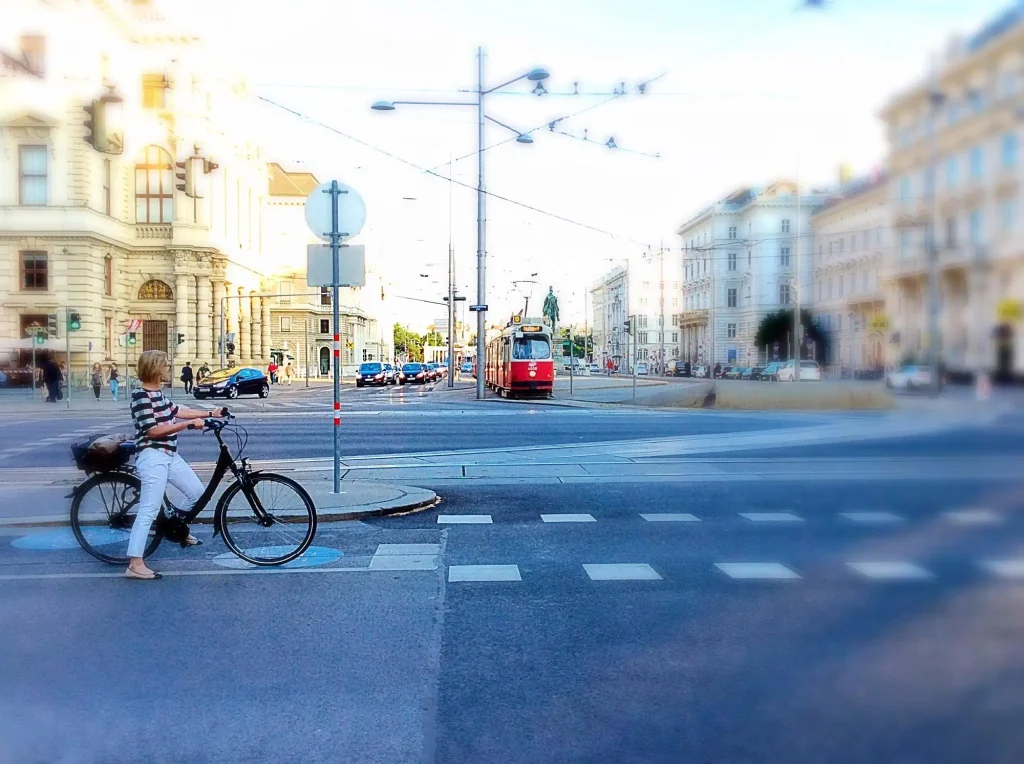
Crossing at Schwarzenbergplatz — Vienna Visual Archive
Crossing at Schwarzenbergplatz · Photography · Vienna Crossing at SchwarzenbergplatzMediumPhotographyLocationSchwarzenbergplatz, ViennaDistrictInnere Stadt / Landstraße borderSeriesUnderstanding Vienna Visual ArchiveCollectionVienna ObservedYear2015 At Schwarzenbergplatz, the city briefly gathers itself before dispersing again.A cyclist…
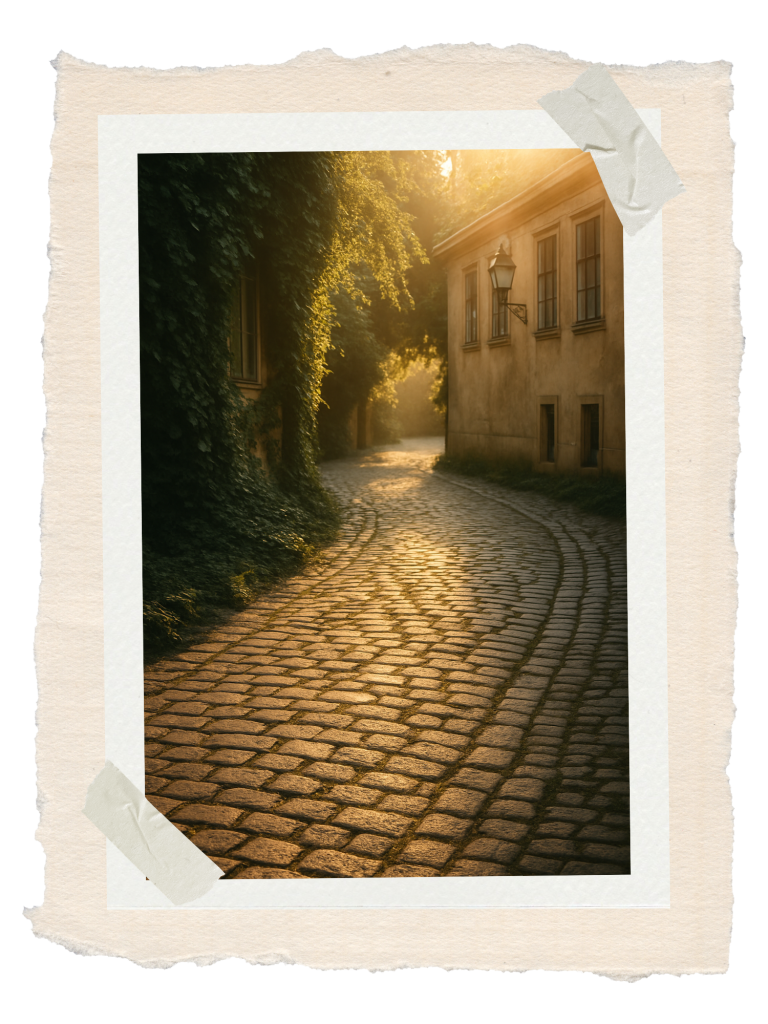
Echoes Underfoot: Hidden Stories in Vienna’s Streets